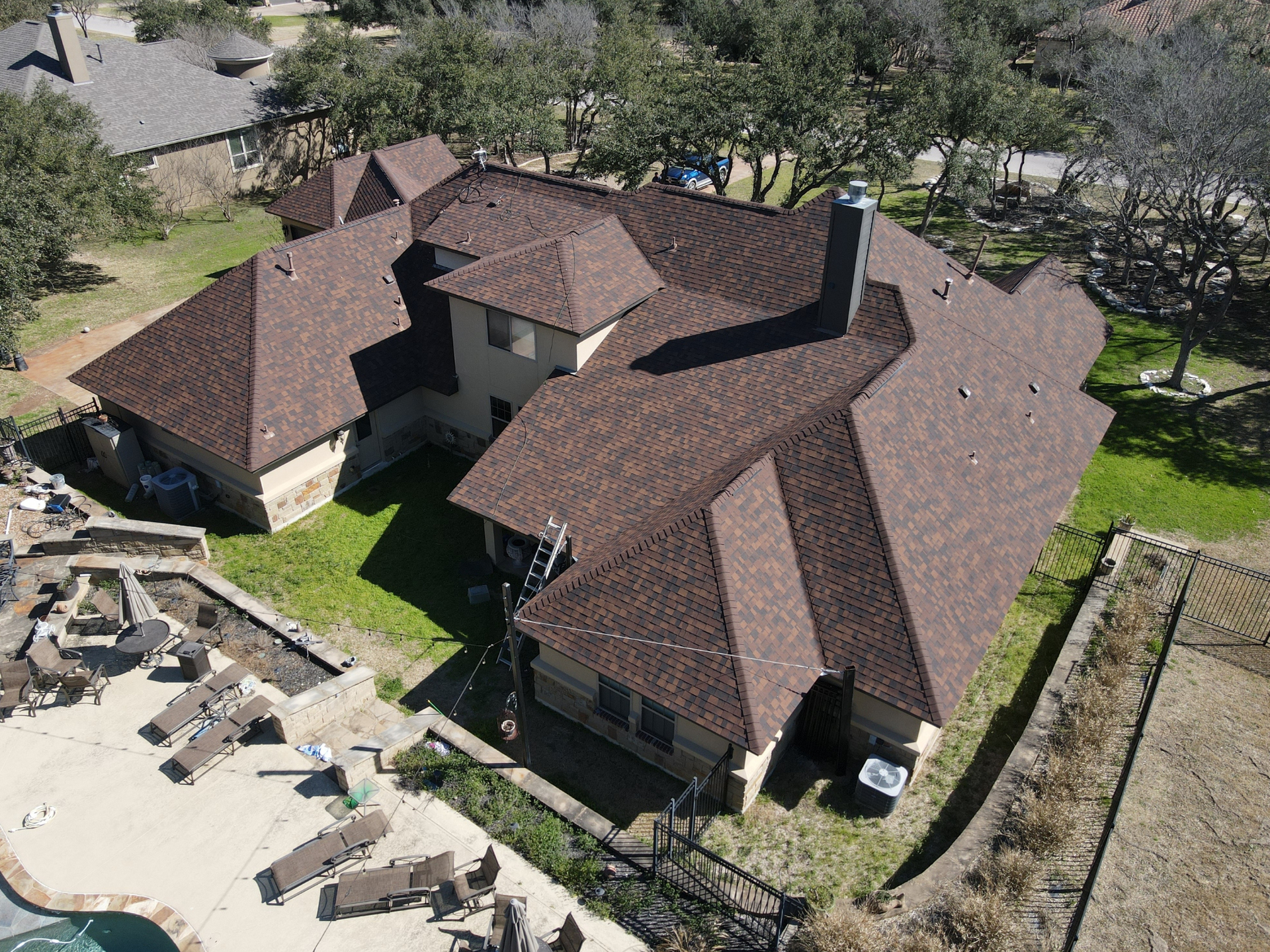
The 7 Most Common Places Roof Leaks Start in Houston Homes
Roof leaks are a common concern for homeowners in Houston, especially during periods of heavy rain and stormy weather. While leaks can appear suddenly, they usually begin in specific areas of the roof where materials meet or where roof features create openings. Knowing where roof leaks typically start can help Houston homeowners spot early warning signs and address issues prior to a serious need for repair or replacement. Below are seven of the most common places we see roof leaks begin.
Roof Valleys
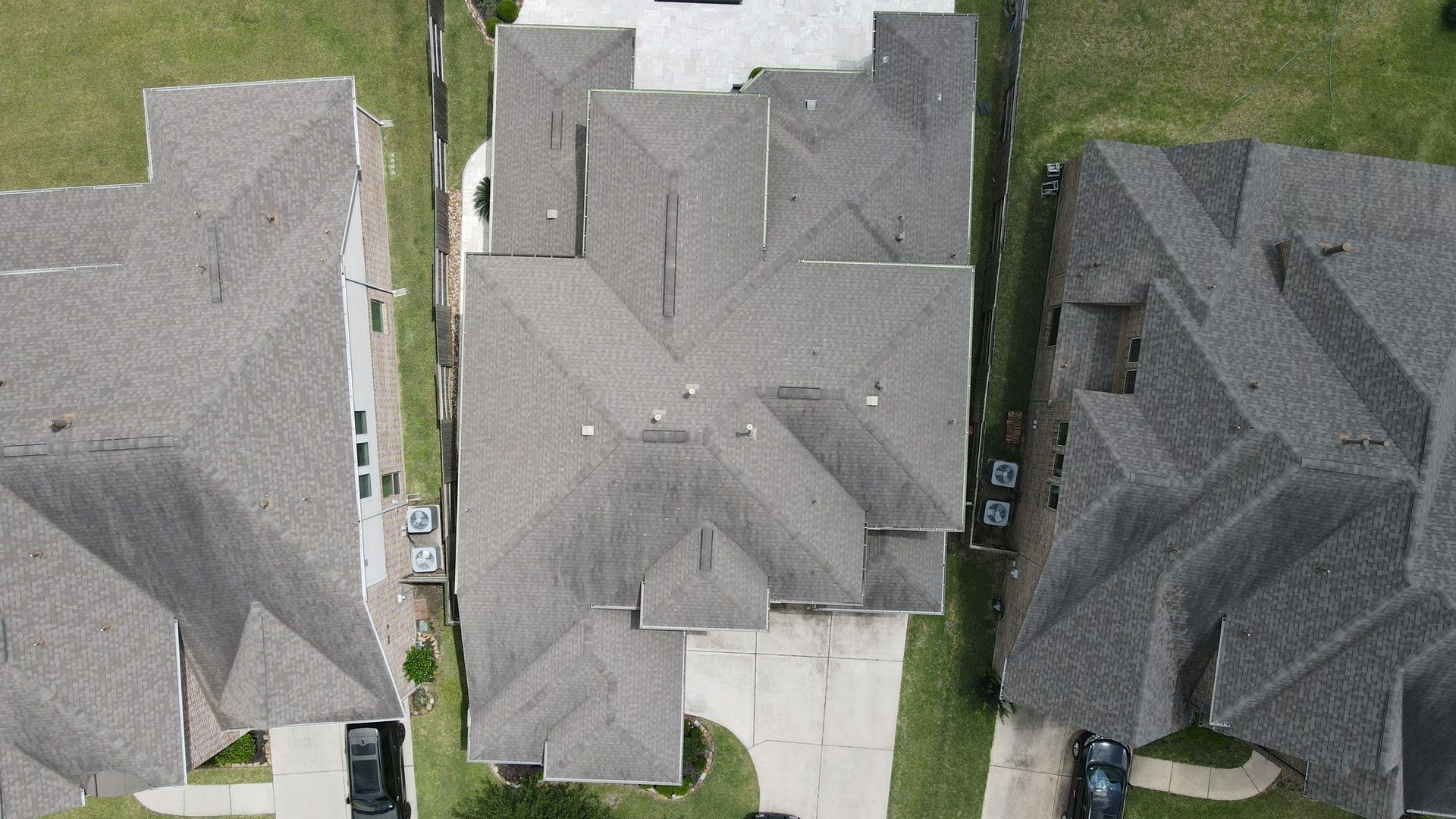
Roof valleys are the areas where two slopes of the roof meet. These sections direct rainwater down toward the gutters, which means they handle a large volume of water during Houston’s heavy rainstorms.
Because of this constant water flow, valleys are one of the most common areas for roof leaks to develop. If the valley flashing or shingles become worn, damaged, or improperly installed, water can begin to seep beneath the roofing materials.
Around Chimneys
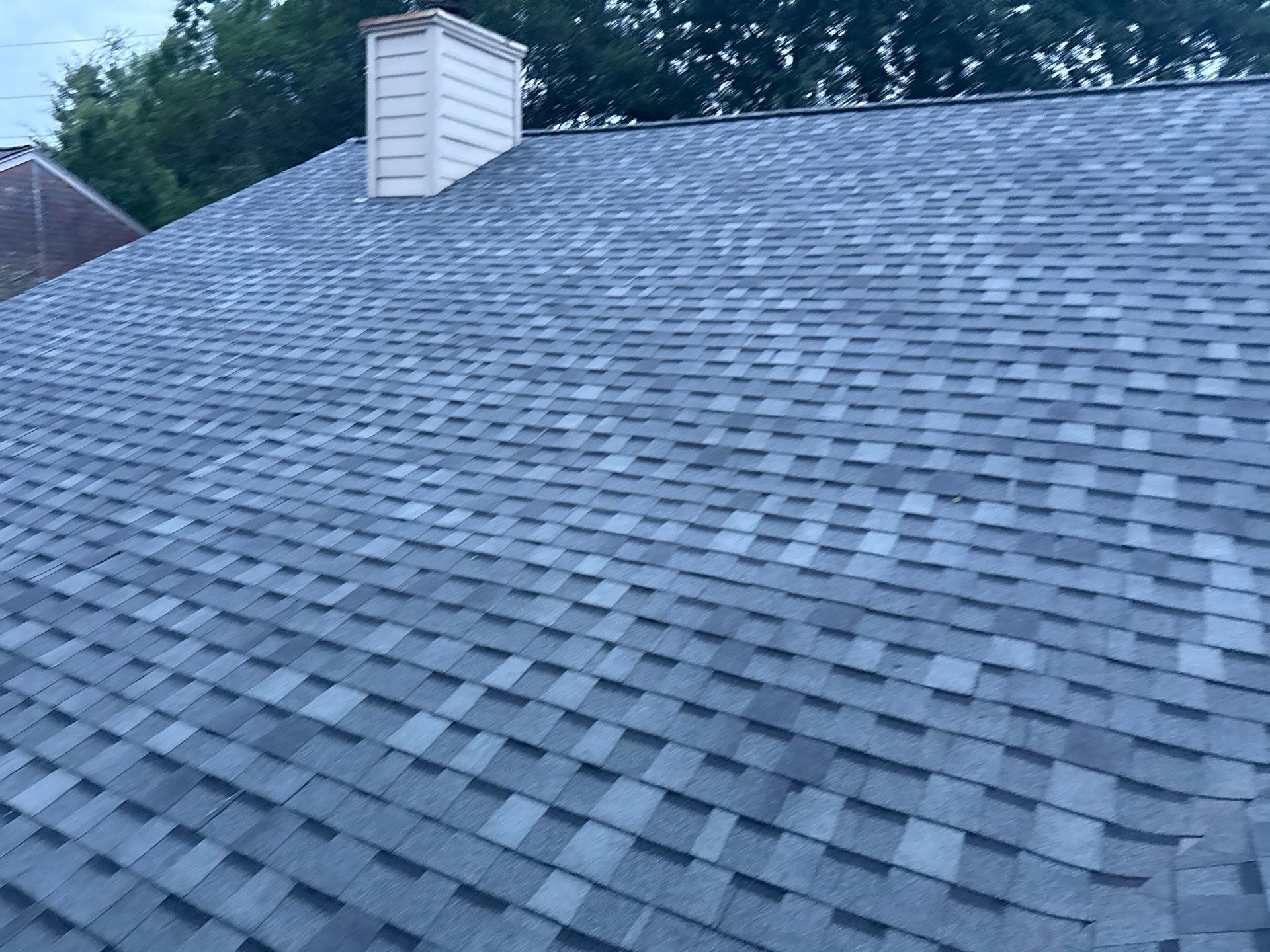
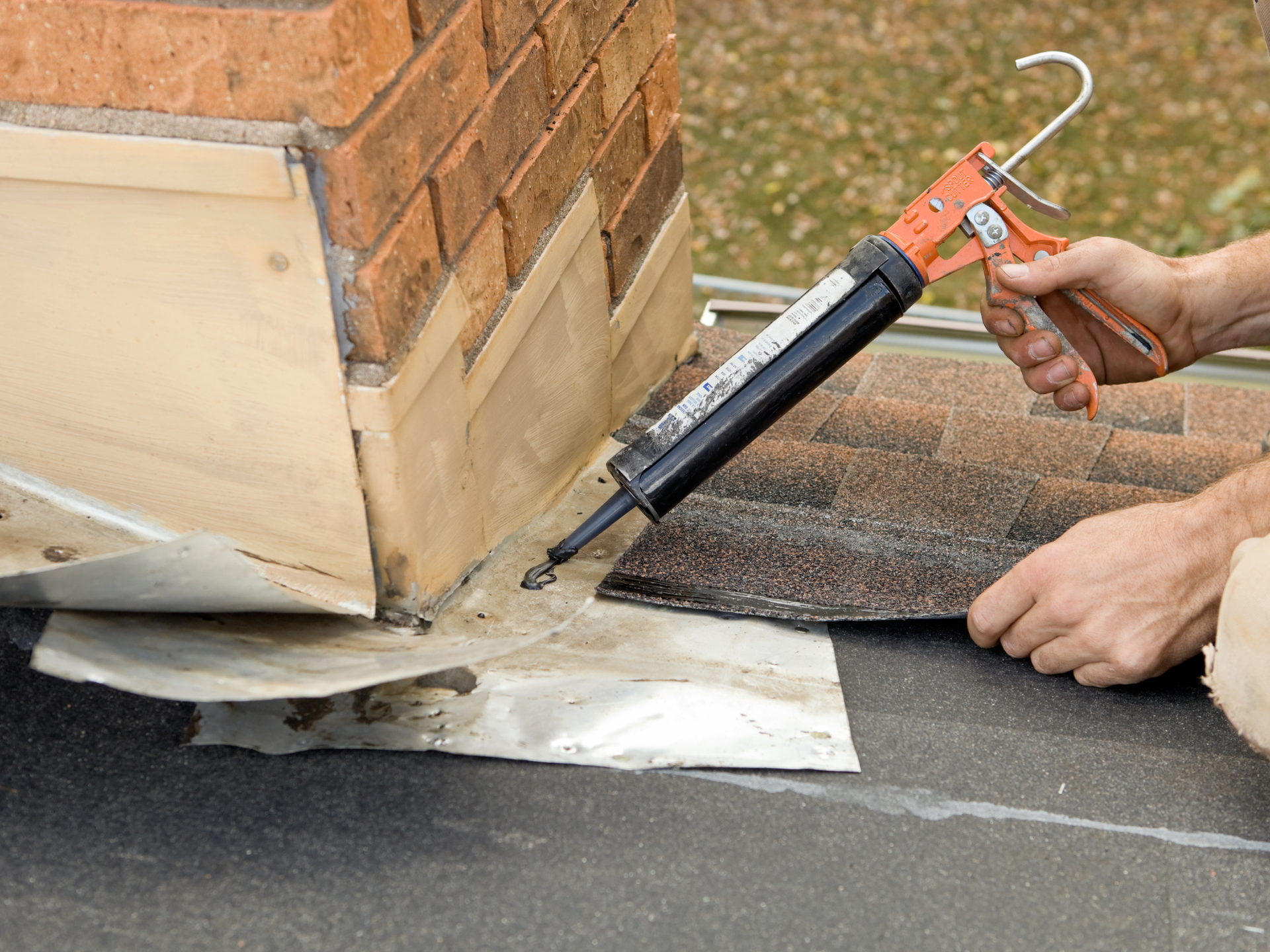
Chimneys are another common source of roof leaks. The area where the chimney meets the roof requires specialized flashing to keep water from entering the home.
Over time, the flashing around chimneys can loosen or crack due to Houston’s heat, humidity, and weather exposure. Once that seal begins to fail, water can work its way into the roof system.
Roof Vents and Plumbing Pipes
Most Houston homes have plumbing vents that pass through the roof. These pipes are sealed using vent pipe flashing or rubber boots designed to keep water out.
As these materials age, they can crack, dry out, or deteriorate in the Texas heat. When that happens, rainwater can easily enter around the pipe and create a roof leak.
Skylights
Skylights can bring natural light into a home, but they also introduce another opening in the roof. If the flashing around a skylight becomes damaged or the seal begins to wear out, water can start to leak around the edges.
Missing or Damaged Shingles
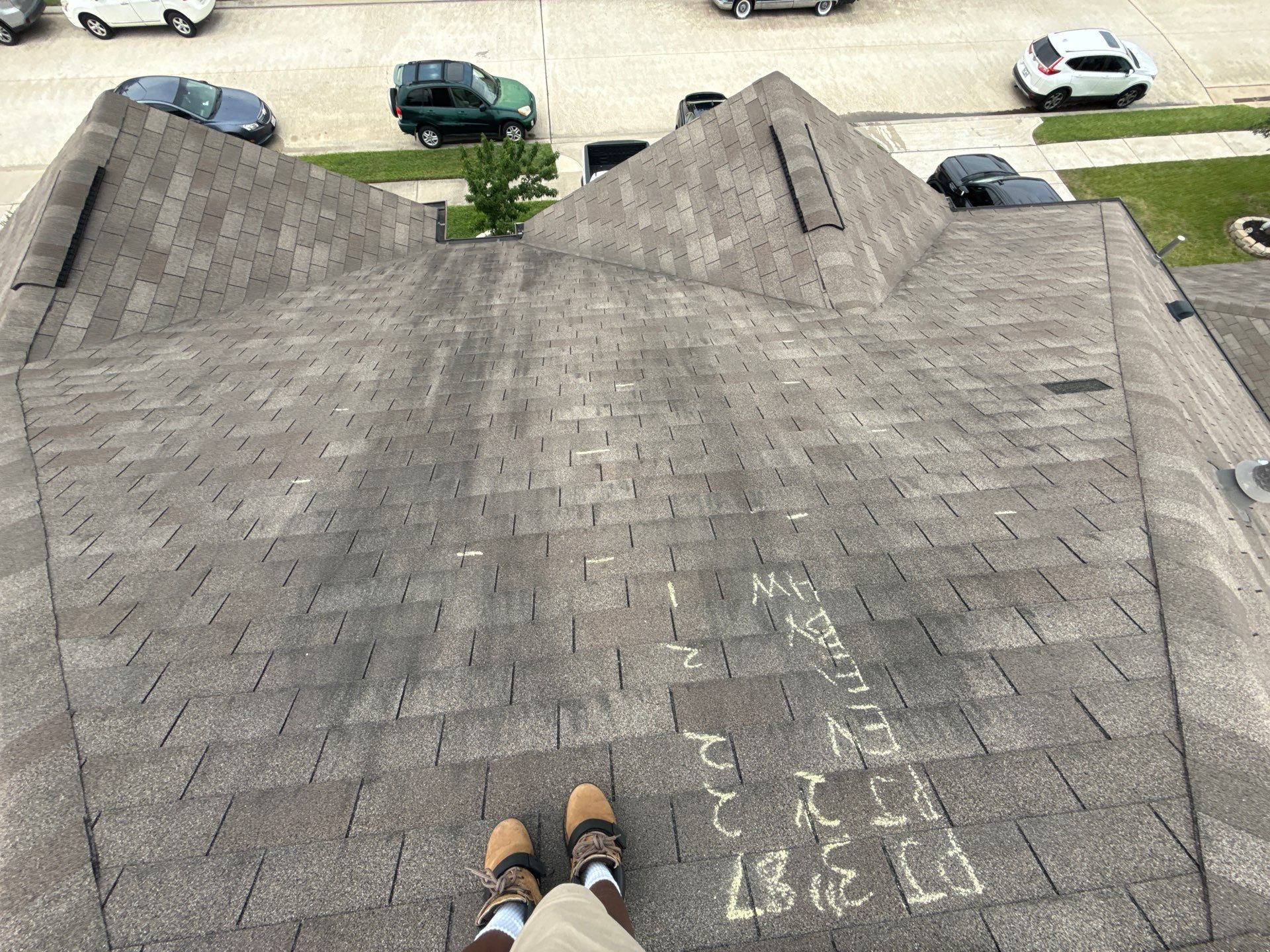
Asphalt shingles are the main protective layer of most residential roofs in Houston. When shingles become cracked, curled, lifted, or missing due to storms or aging, the layers underneath become exposed.
Once shingles are damaged, rainwater can penetrate the roof and begin causing leaks inside the home.
Roof Flashing
Roof flashing is a thin metal material installed around roof features like chimneys, vents, and walls. Its job is to direct water away from vulnerable areas of the roof.
If flashing becomes rusted, bent, or improperly sealed, it can allow water to enter the roof system. Flashing issues are one of the most common causes of roof leaks after strong storms in Houston.
Where the Roof Meets a Wall
Areas where a roof meets a vertical wall, such as dormers or second-story walls, require step flashing to prevent water intrusion. If the flashing is missing, damaged, or incorrectly installed, water can run behind the roofing materials and into the structure. This is another location where leaks often develop during heavy rainstorms.
Protect Your Houston Home From Roof Leaks
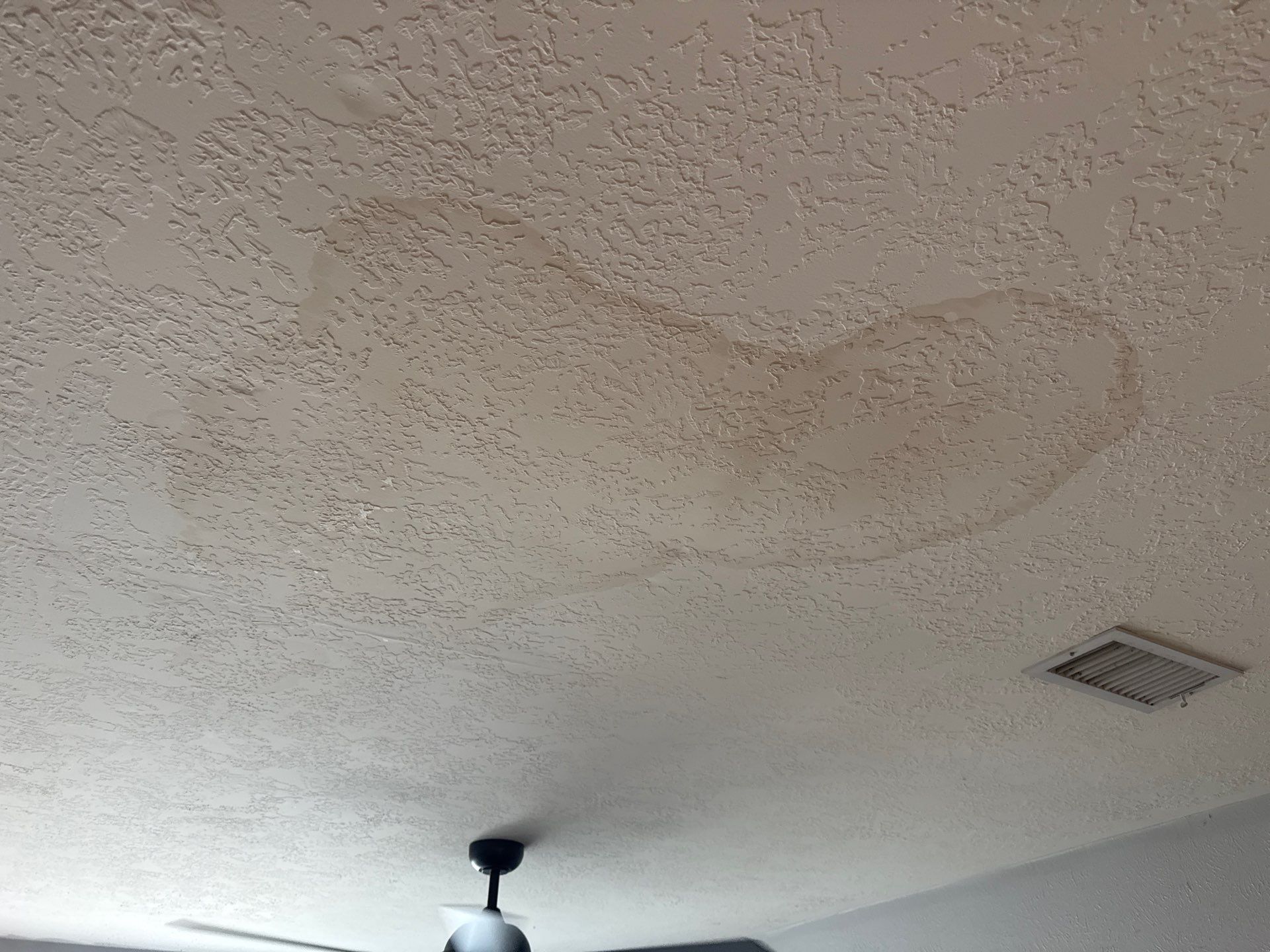
Many roof leaks start in areas that homeowners can’t easily see from the ground. By the time water stains appear on ceilings or walls, the damage may already be significant.
Regular roof inspections are one of the best ways to identify potential leak points before they turn into larger problems. A professional Houston roofing contractor can check flashing, shingles, roof penetrations, and other vulnerable areas to make sure your roof is still protecting your home.
If you live in the Houston area and want to prevent roof leaks and water damage, scheduling a roof inspection can help keep your roofing system in good condition year-round.