Roof Valley Leak in Houston: Why Water Leaks Where Roof Slopes Meet
If you’re noticing water leaking where two roof slopes meet, there’s a good chance you’re dealing with a roof valley problem. Roof valleys are one of the most important and vulnerable areas of any roofing system. In Houston, valley issues are a leading cause of roof leaks. Understanding what causes these leaks can help you act quickly and better avoid further damage.
What Is a Roof Valley?
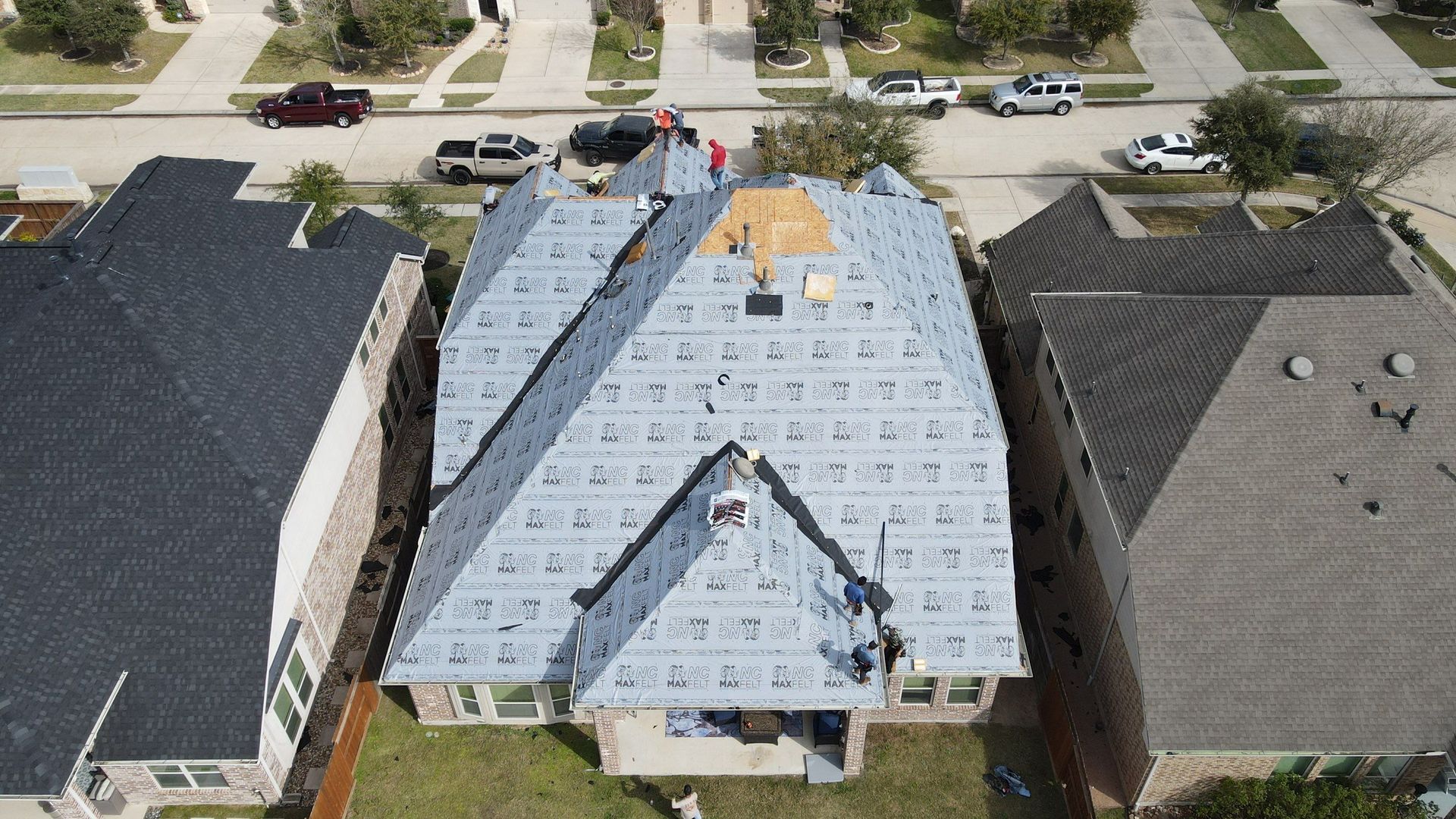
A roof valley is the channel formed where two roof slopes meet. Its job is to direct water safely down and off your roof. Because valleys handle a high volume of water during storms, they must be properly installed and maintained. For Houston roofing systems, valleys are especially important due to intense rainfall and frequent weather events.
Common Causes of Roof Valley Leaks
1. Damaged or Worn Flashing
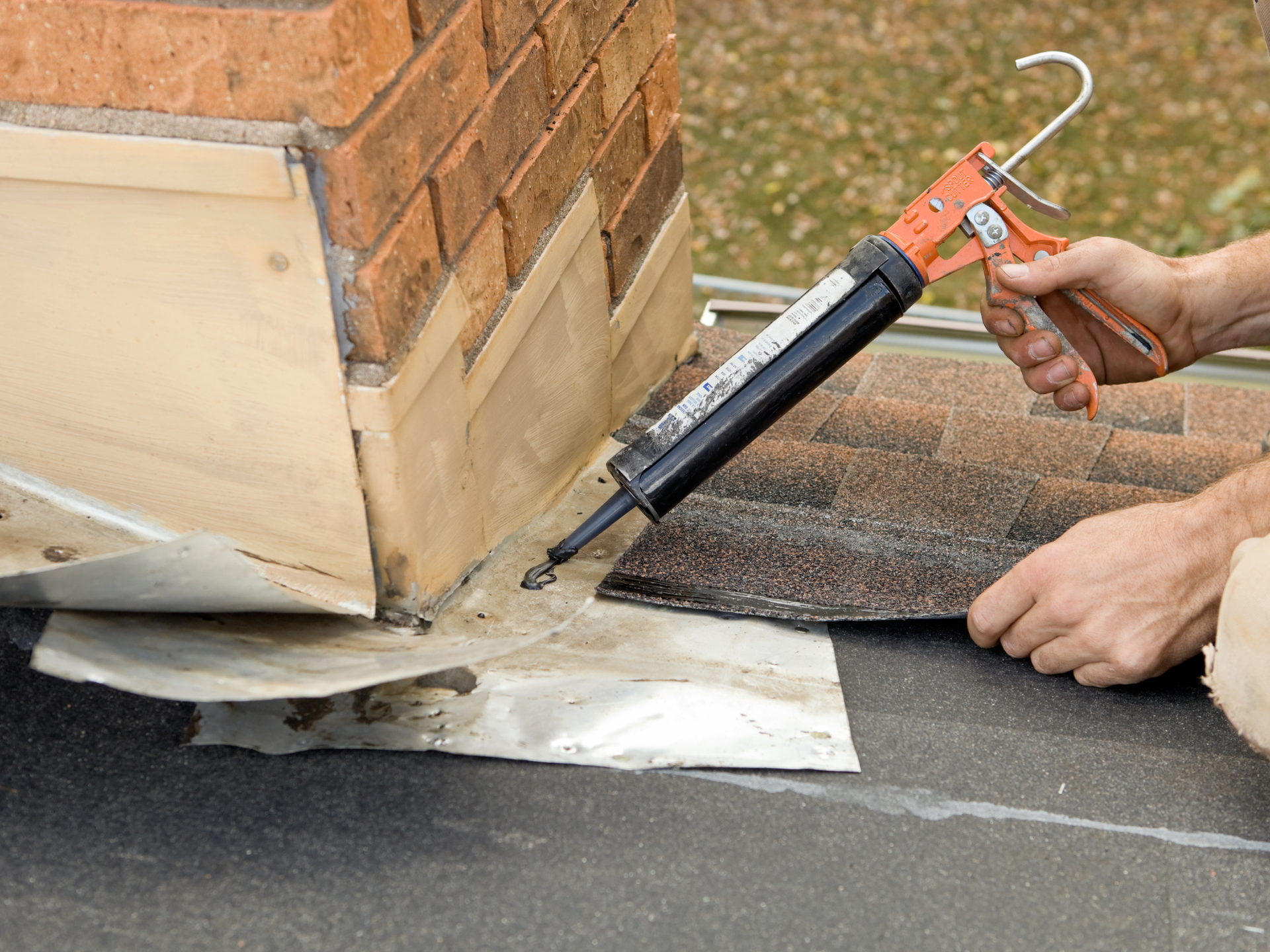
Flashing lines the valley and helps guide water off the roof. Over time, it can crack, rust, or loosen, allowing water to seep underneath. Houston’s heat and moisture can accelerate this deterioration.
2. Improper Installation
If a roof valley isn’t installed correctly, water won’t drain properly. Misaligned shingles or poorly placed flashing can lead to leaks almost immediately. This is one of many reasons why hiring an experienced Houston roofing contractor is so important.
3. Debris Buildup
Leaves, dirt, and storm debris can collect in roof valleys, blocking water flow. When water pools instead of draining, it increases the risk of leaks and damage.
4. Aging Roofing Materials
As roofs age, shingles can crack, curl, or lose protective granules. This makes valleys more susceptible to water intrusion, especially during heavy storms.
5. Heavy Rain and Storm Stress
Houston’s weather puts extra pressure on roof valleys. During intense rainfall, valleys handle the highest water volume, so even small issues can quickly turn into leaks.
Signs of a Roof Valley Leak
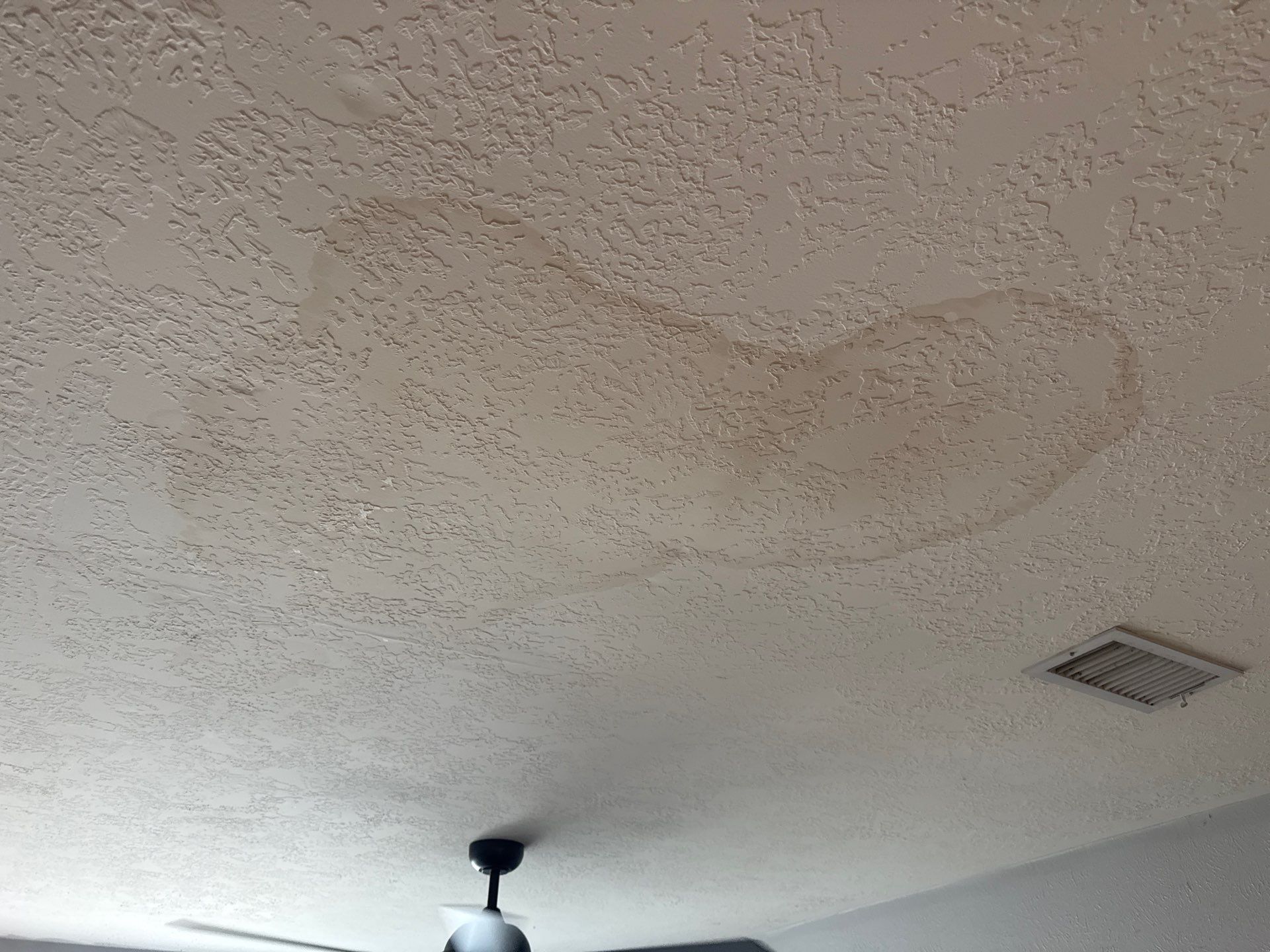
- Water stains on ceilings or walls
- Damp or musty attic areas
- Visible wear in valley shingles
- Mold or mildew growth
- Active dripping during rain
If you notice these signs, it’s important to address them quickly to prevent further damage.
How Roof Valley Leaks Are Fixed
Repairing a roof valley typically involves replacing damaged flashing, resealing the area, and reinstalling shingles properly. In some cases, a full valley replacement may be needed. A professional Houston roofing company can inspect the damage and recommend the best solution.
Preventing Future Valley Issues
Routine maintenance is best for avoiding leaks. Homeowners in Houston should:
- Schedule regular roof inspections
- Keep valleys clear of debris
- Address minor damage early
- Use materials designed for heavy rain and humidity
Water leaking where two roof slopes meet is a common issue that shouldn’t be ignored. Roof valleys protect your home, and when they fail, the damage can escalate quickly. For reliable results, working with a trusted Houston roofing professional will give you peace of mind that your roof valleys are properly repaired and built to withstand local conditions. Give our team a call for a thorough and complimentary inspection!