How Flat and Sloped Roof Repairs Differ

January 14, 2026

How Flat and Sloped Roof Repairs Differ

Flat and sloped roofing systems are designed differently, use different materials, and face different types of wear over time. Understanding how repairs differ between these two common roof types can help property owners make informed decisions and better address their roofing concerns.


Design and Drainage Differences

One of the biggest differences between flat and sloped roofs is how they manage water. Sloped roofs rely on gravity to move water quickly off the surface, while flat roofs depend on internal drains, scuppers, or tapered insulation to guide water away. Because of this, flat roof repairs often focus on drainage issues, ponding water, and membrane integrity. Sloped roof repairs, on the other hand, are more likely to address shingle displacement, broken tiles, or flashing failures caused by wind and weather.


Common Repair Issues

Flat roofs are commonly repaired for problems such as membrane punctures, seam separation, clogged drains, and areas where water sits too long. Even small punctures can allow moisture to travel beneath the surface.


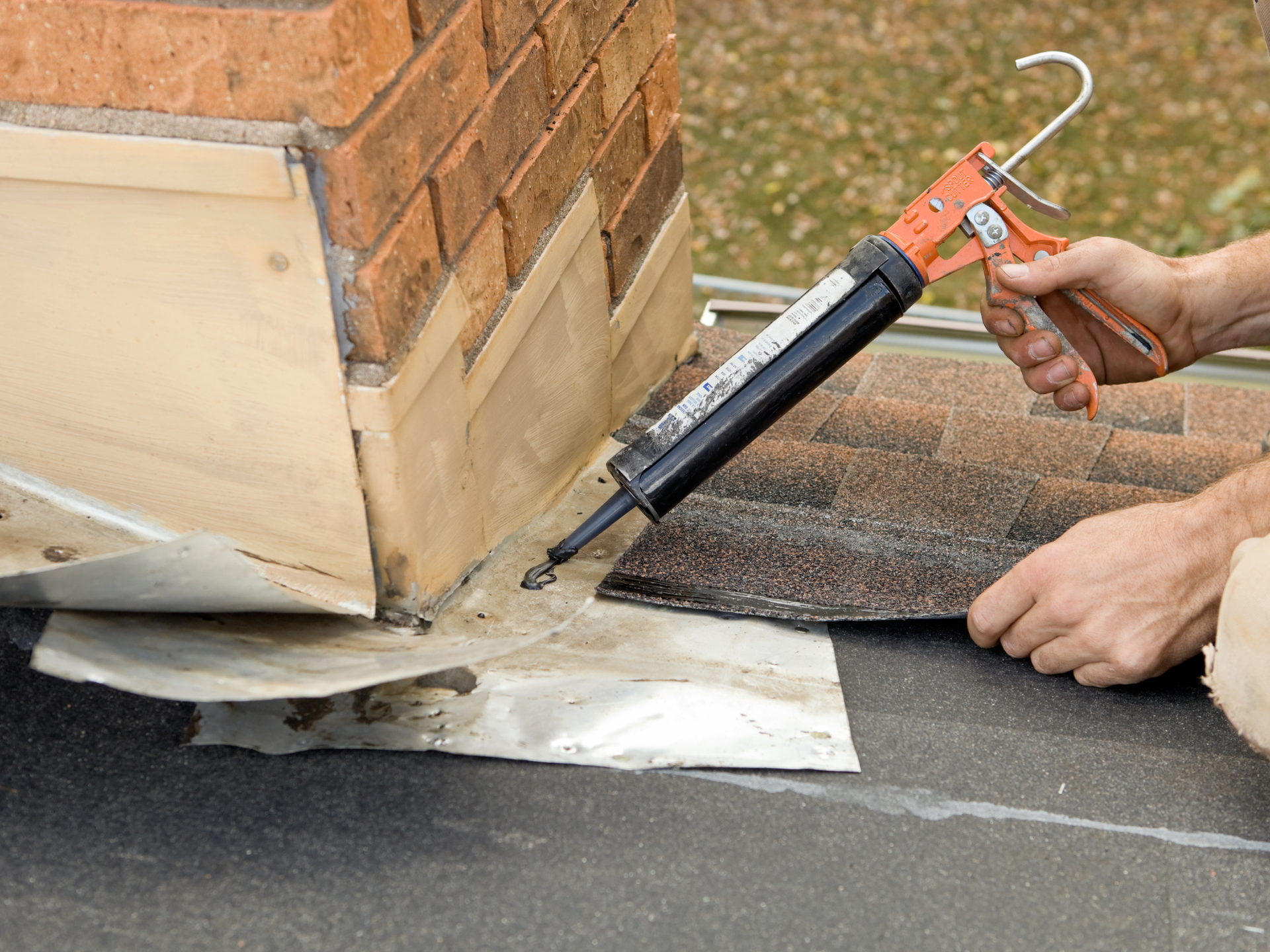
Sloped roofs tend to experience issues like missing or lifted shingles, cracked tiles, damaged underlayment, and flashing problems around chimneys, vents, and skylights. These issues often appear after storms or prolonged exposure to changing temperatures.


Materials and Repair Techniques

Flat roofs typically use materials such as TPO, PVC, modified bitumen, or built-up roofing systems. Repairs may involve heat welding seams, patching membranes, reinforcing flashing, or improving drainage systems. Because flat roofing materials are designed to create a watertight surface, repairs must be done precisely to prevent future leaks.


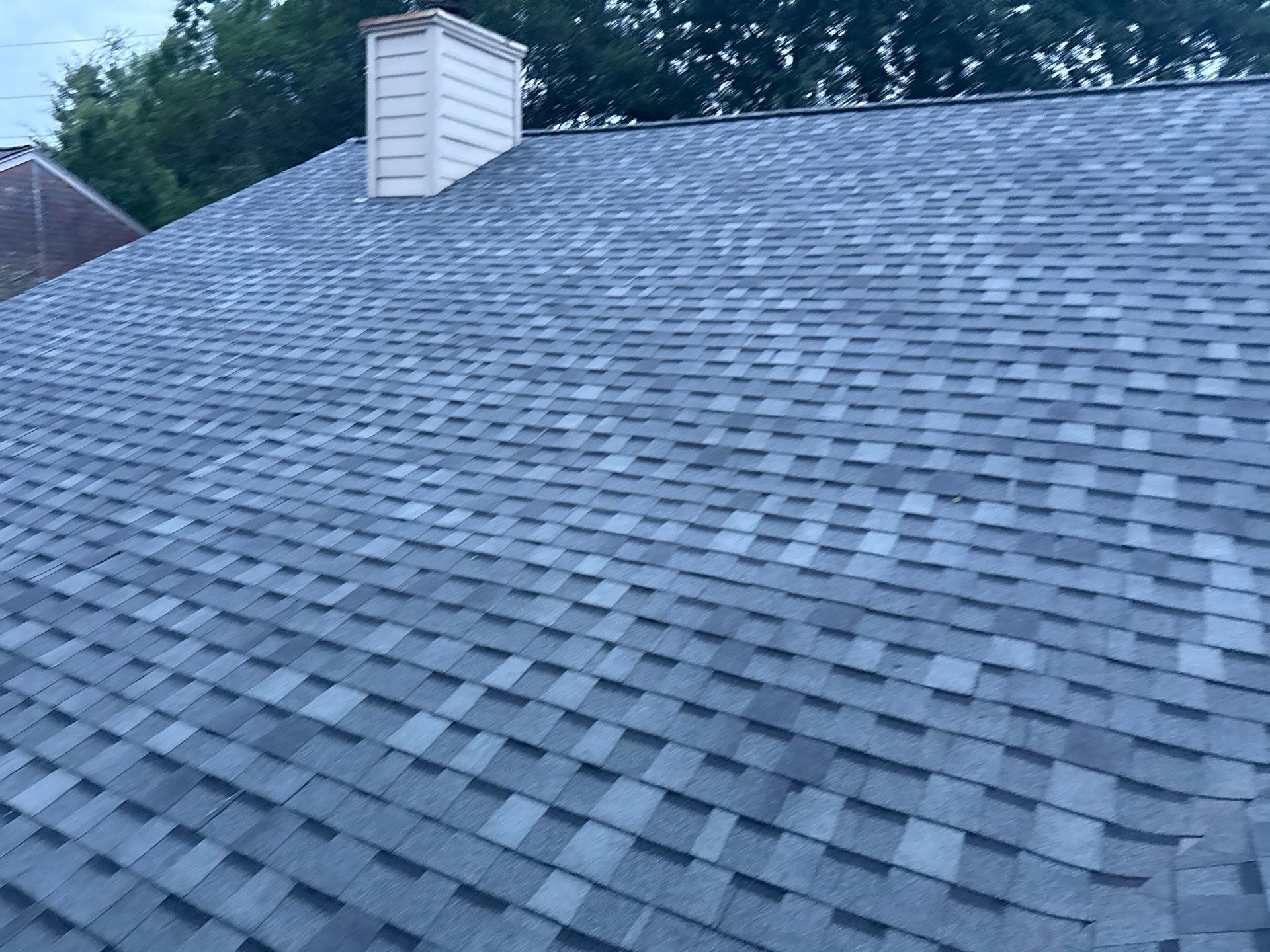
Sloped roofs commonly use asphalt shingles, metal panels, clay or concrete tiles, or slate. Repairs often include replacing individual shingles or tiles, resealing flashing, or repairing underlayment. While some sloped roof repairs are more visible, water can still travel beneath the surface.


Accessibility and Safety

Flat roofs are generally easier to access and walk on, which can simplify inspections and repairs. However, diagnosing the source of a leak can be more challenging because water may spread across a large area before entering the building.


Sloped roofs can be more difficult and hazardous to access, especially on steeper pitches. Safety equipment and experience are incredibly important factors, and repairs often take longer due to setup and access requirements.


Maintenance

Flat roofs benefit from regular maintenance to keep drains clear and surfaces intact. Small repairs performed early can significantly extend the life of the system. Sloped roofs also require routine inspections, particularly after storms, to catch minor damage before it leads to leaks or structural issues.


Choosing the Right Repair Approach

Whether a roof is flat or sloped, proper repairs depend on understanding how the system works and addressing issues at their source. Working with an experienced roofing professional makes for proper repairs, appropriately matched materials, and a quality roof.
January 5, 2026
Temperature swings can cause roof damage in Houston through expansion, contraction, and material fatigue.
December 29, 2025
Some of the best roofers in Houston explain how proper materials, installation, ventilation, and maintenance help roofs last 30+ years in Houston’s climate.
December 23, 2025
Houston roofers share why delaying roof replacement can put your home at risk and increase long-term costs.
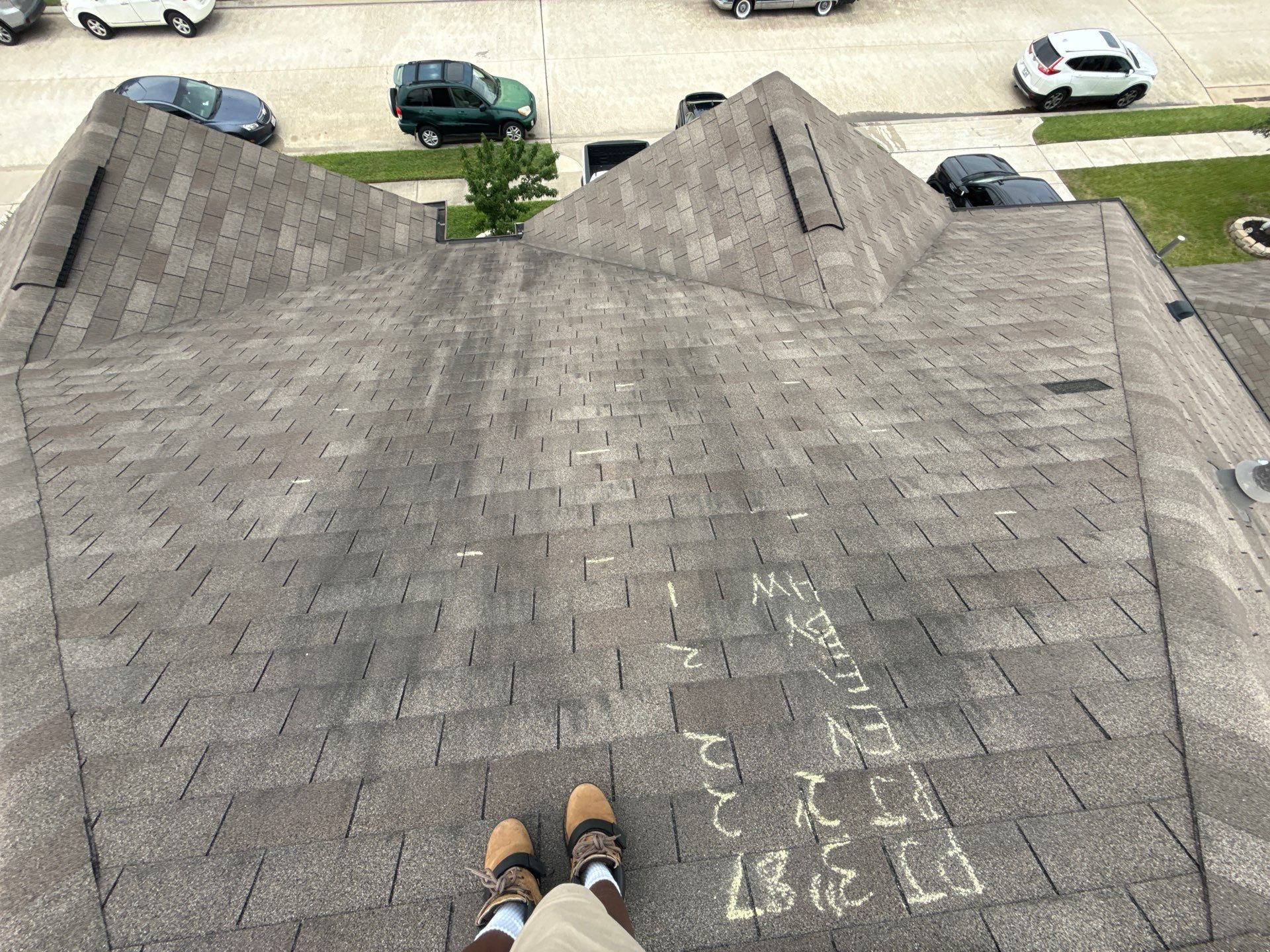
Recently completed roof repair in Houston.
December 15, 2025
Some of the most common causes of premature roof failure and how Houston homeowners can prevent expensive repairs with proper installation and maintenance.
December 8, 2025
Start the year strong with this New Year home maintenance checklist. Get tips from Houston roofing professionals to protect your roof, gutters, HVAC, and home.
December 4, 2025
Why December is one of the smartest months to schedule a roof inspection and how a trusted Houston roofing company can catch weather-related damage early and prepare your home for the winter.
November 28, 2025
Hanging Christmas lights is one of the best ways to bring festive cheer to your home, but many homeowners hesitate because they fear damaging their roof. Drilling, stapling, or using the wrong hardware can create holes, loosen shingles, or even void your roof’s warranty. The good news? You can create a dazzling holiday display without causing a single scratch to your roof . Here’s how to hang Christmas lights safely, efficiently, and damage-free. 1. Skip the Nails and Staples—Use the Right Clips Instead The easiest way to protect your roof is to never puncture it . Nails, screws, and staples may seem quick, but they pierce shingles and underlayment, exposing your roof to leaks and long-term damage. Instead, opt for non-invasive light clips . These inexpensive plastic clips attach securely to gutters, shingles, or eaves without creating holes. Gutter clips : Snap onto the lip of your gutter and hold light strings firmly. Shingle tabs or all-in-one clips : Tuck under shingles without lifting or prying. Clips keep lights straight, secure, and easy to remove once the season ends. 2. Plan Your Layout Before You Start Before climbing a ladder, plug in your lights and check for burnt bulbs or broken sections. Measure your roofline and outline where each strand will go. Planning ahead prevents unnecessary repositioning—which also reduces the urge to “just staple it.” A good rule of thumb: Allow a little slack so your lights don’t pull or tug against your shingles or gutters. 3. Use a Sturdy, Safe Ladder and Work Slowly Most holiday light mishaps happen because of unsafe ladder use, not roof damage. Choose a ladder that extends above your roofline and place it on solid, level ground. Never lean too far to one side; move the ladder instead. Slow, careful installation means you’re much less likely to tug on shingles or gutters accidentally. 4. Choose the Right Lights for Outdoor Use Always select outdoor-rated Christmas lights labeled for exterior use. Indoor lights aren’t designed to handle moisture or temperature changes and are more likely to malfunction. Pair them with weather-resistant extension cords and timers to keep your setup safe and reliable throughout the season. 5. Avoid Walking on the Roof When Possible Walking on your roof isn’t just risky—it can also crush shingles, dislodge granules, and shorten your roof’s lifespan. Set up your light display from the ladder whenever possible. If you must walk on the roof, step lightly, wear soft-soled shoes, and avoid stepping on brittle edges or curled shingles. 6. Remove Lights Carefully After the Holidays When the season wraps up, don’t yank lights down. Pulling them can dislodge shingles or bend gutters. Instead, remove each clip individually and store everything neatly for easy setup next year.
November 19, 2025
Learn how to spot storm damage on a roof and distinguish it from normal wear. Identify common signs, protect your home, and avoid insurance claim issues.
November 10, 2025
Get ready for your new roof with this step-by-step homeowner’s guide. Learn how to prepare for a roof replacement in Houston and avoid common delays or damage.
By Toby Dagenhart November 6, 2025
Are you wondering if you can live in your home during a roof replacement? What to expect, how to prepare, and how TopHat Roofing in Houston runs your project.