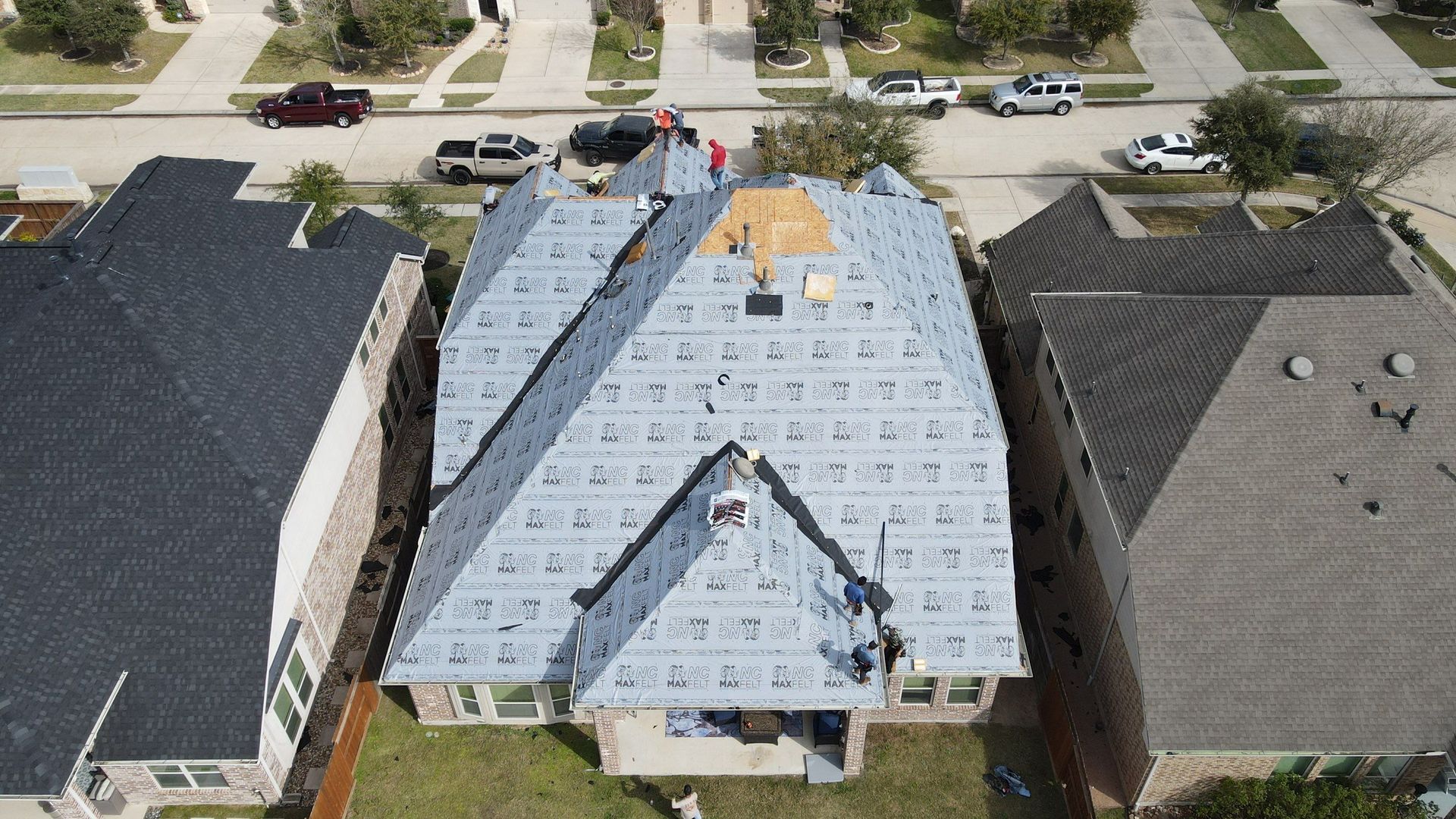
How Long Do You Have to File a Roof Insurance Claim in Houston?
After a storm passes, many Texas homeowners are left wondering how long they have to file a roof insurance claim. Because roof damage isn’t always immediately visible, issues may not surface until weeks or even months later, often when a leak appears. That’s why understanding the roof insurance claim timeline can make a big difference.
There’s no single statewide deadline
In Texas, there isn’t one universal law that says you must file a roof insurance claim within a specific number of days. Instead, the timeframe is usually determined by your individual insurance policy. Most policies require homeowners to report damage within a “reasonable” amount of time or to provide “prompt notice” after a loss.
Because this language can be subjective, waiting too long to file a claim may create challenges, even if the damage originally came from a covered storm.
Why filing sooner is usually better
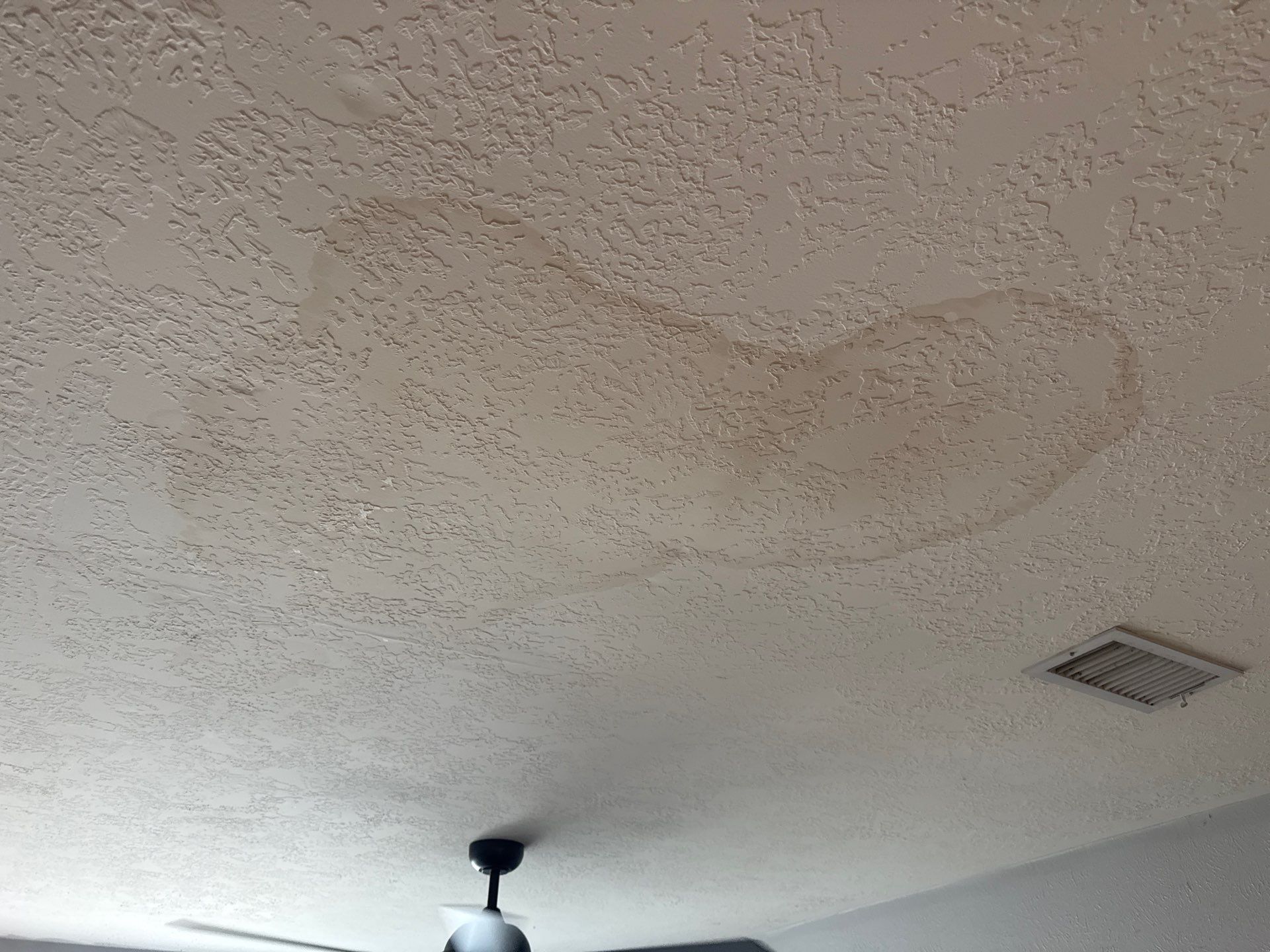
Roof damage isn’t always obvious right away. Sometimes it takes weeks or even months for signs like leaks, missing shingles, or water stains to appear. While insurance companies understand that damage isn’t always immediately visible, delays can still raise questions.
Filing a claim as soon as you discover damage helps:
- Establish a clear connection between the damage and a specific storm
- Prevent further deterioration of your roof
- Make inspections and documentation easier
Even if you’re unsure how serious the damage is, reporting it early can protect you later.
What happens after you file a claim
Once you notify your insurance company, they typically have certain timeframes they must follow to acknowledge your claim, investigate the damage, and provide a decision. While these timelines vary, the process usually includes:
- Confirming receipt of your claim
- Reviewing documentation and inspection results
- Letting you know whether the claim is approved, partially approved, or denied
Responding promptly to requests for photos, estimates, or additional information can help keep the process moving.
Common mistakes to avoid
Homeowners sometimes assume they should wait until a roof leak becomes severe or until they can see damage from the ground. Others delay because they’re worried about premiums or unsure whether the damage is worth filing a claim for. However, delaying too long can make it harder to prove when the damage occurred or whether it was caused by a covered event. When in doubt, it’s usually better to ask questions early rather than wait.
Steps to take if you suspect roof damage
If you think your roof may have been damaged:
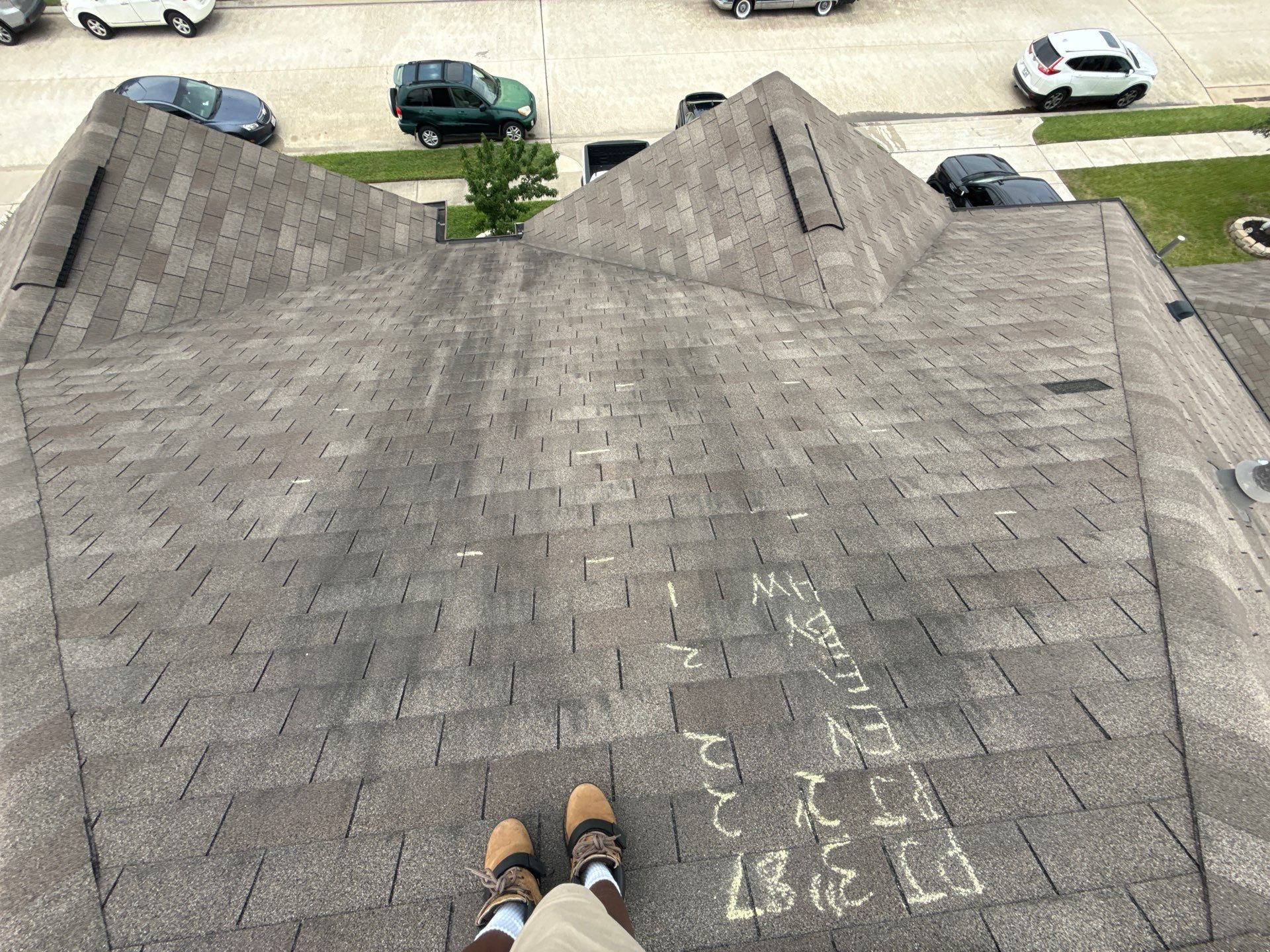
- Look for visible signs like missing shingles, granules in gutters, or interior water stains.
- Take photos or videos of anything you notice.
- Schedule a professional roof inspection.
- Review your insurance policy for reporting requirements.
- Contact your insurance company to discuss next steps.
While Texas doesn’t set a strict deadline for filing a roof insurance claim, your policy likely does, and acting promptly is the safest approach. Reporting damage as soon as you reasonably discover it can help protect your coverage and make the claims process less stressful.