What Roof Underlayment Does and Why It Matters in Houston
When most homeowners think about their roof, shingles usually get all the attention. But one of the most important components of any roofing system is hidden beneath the surface: roof underlayment. For homeowners in Houston that experience heavy rain, high humidity, heat, and hurricane-season storms, roof underlayment plays an especially important role when it comes to protecting your home.
If you're curious about what roof underlayment does and why it matters in order to help you make more informed decisions when repairing or replacing your roof, keep reading!
What Is Roof Underlayment?
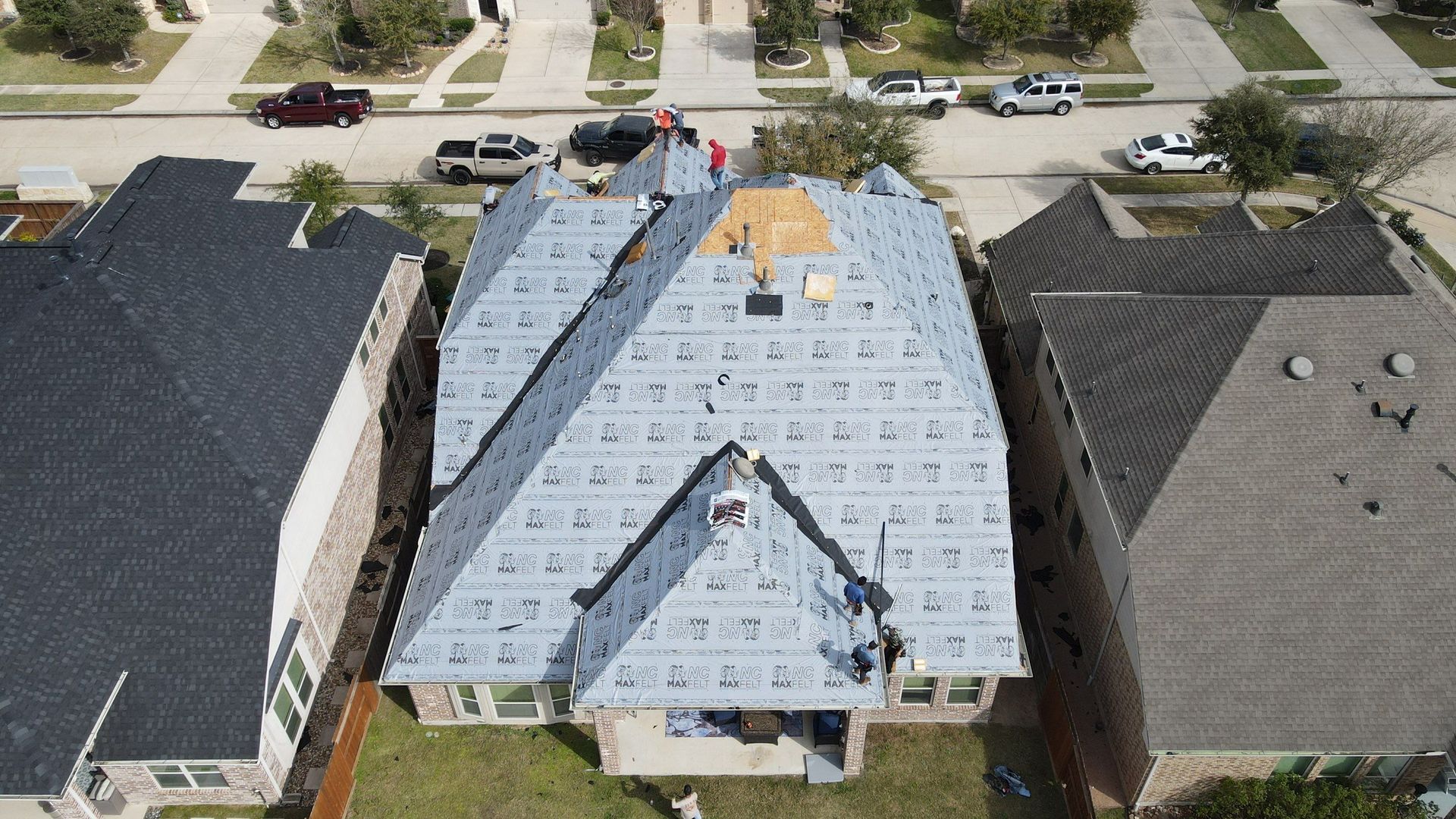
Roof underlayment is a protective layer installed directly onto the roof deck before shingles or other roofing materials are applied. It acts as a secondary water barrier, helping protect your home if water gets past the outer roofing material.
Sometimes, even the best shingles can be compromised by wind-driven rain, severe storms, or aging materials.
What Does Roof Underlayment Do?
Roof underlayment serves several important functions:
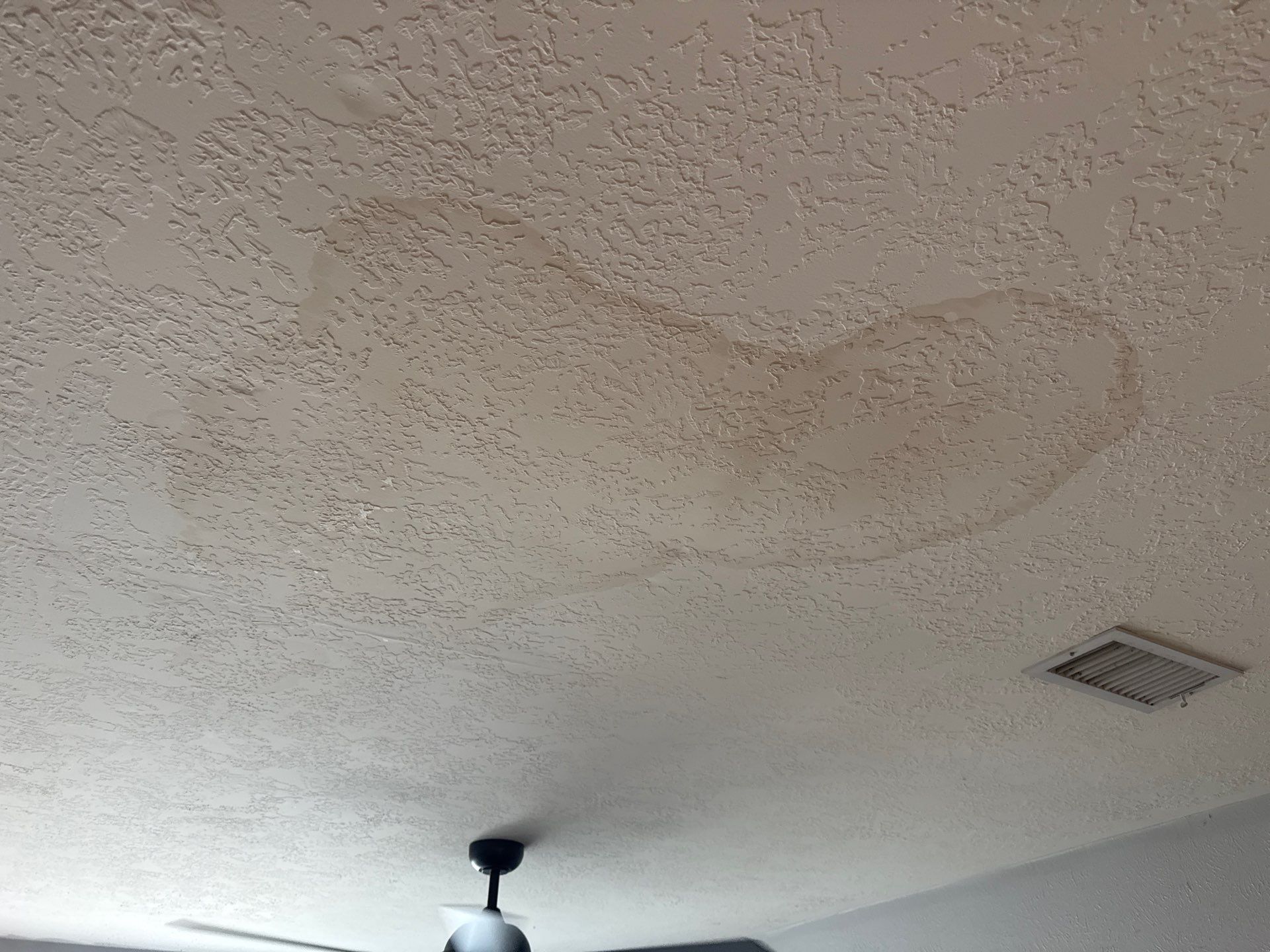
- Moisture Protection: It helps prevent water intrusion caused by heavy rain, roof leaks, or storm damage.
- Added Defense During Storms: In high-wind events common in the Houston area, underlayment can provide temporary protection if shingles are blown off.
- Deck Protection: It shields the roof deck from moisture during installation and throughout the life of the roof.
- Improved Roof Performance: Quality underlayment helps roofing materials perform as designed, especially in extreme heat and humidity.
Simply put, underlayment adds an additional layer of protection between your home and the elements.
Types of Roof Underlayment
There are several types of roof underlayment commonly used by roofing contractors in Houston:
- Asphalt-Saturated Felt: A traditional option that offers basic protection but is less durable in extreme weather.
- Synthetic Underlayment: Lightweight, tear-resistant, and more durable than felt. This is a popular choice for Houston roofs due to its moisture resistance.
- Self-Adhered (Peel-and-Stick) Underlayment: Often used in valleys, low-slope areas, or high-risk zones for water intrusion.
A professional Houston roofing contractor can recommend the best underlayment based on your roof type, budget, and exposure to weather.
Why Roof Underlayment Is Especially Important in Houston
Houston’s climate puts roofs to the test. Heavy rainfall, tropical storms, intense heat, and humidity increase the risk of leaks and exposure to moisture damage. Roof underlayment helps protect homes from these conditions by providing an extra layer of defense when shingles alone aren’t enough.
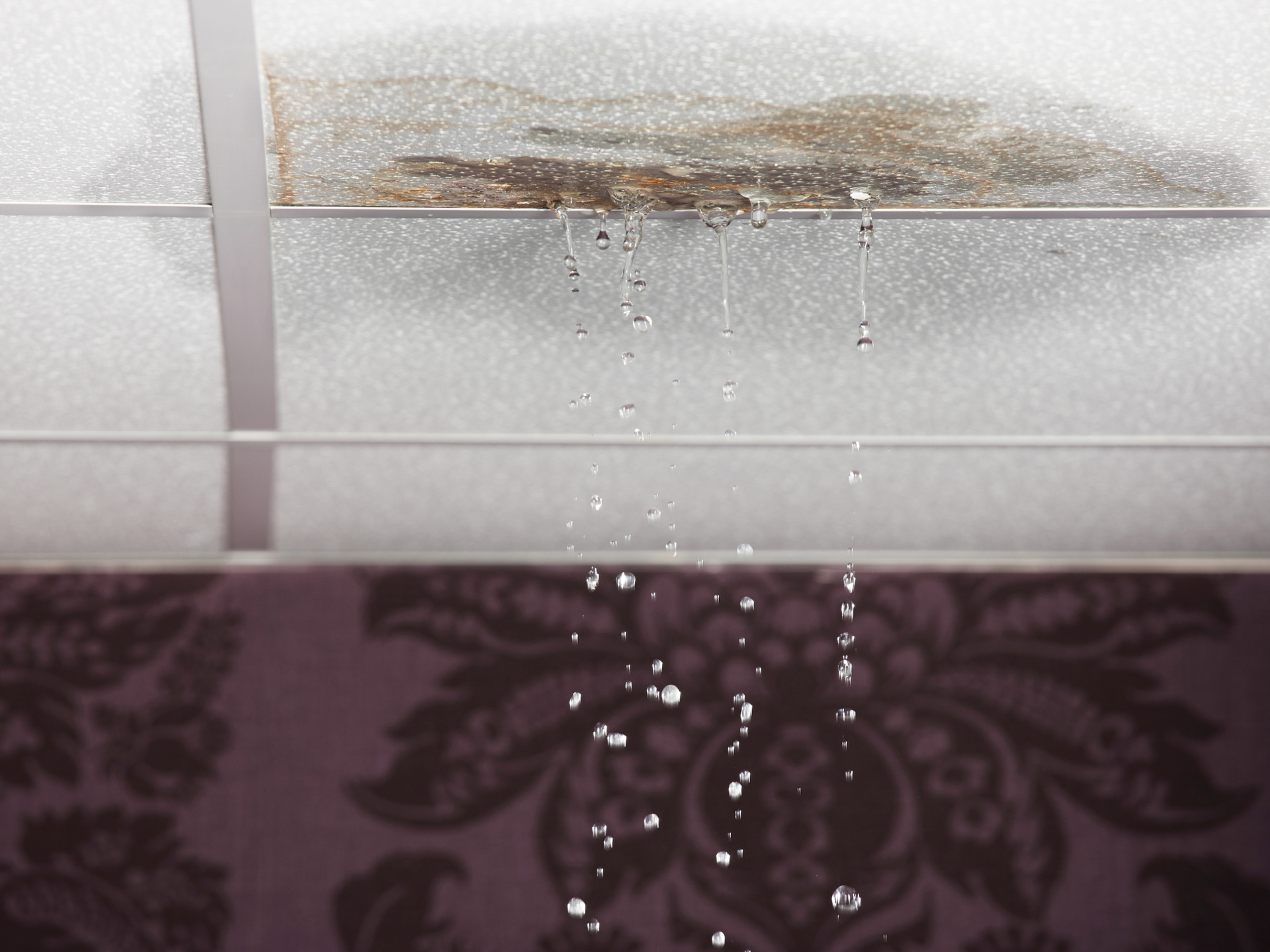
Without proper underlayment, even a new roof can be vulnerable to water damage, mold growth, and problems down the road.
Because it’s not visible, underlayment is sometimes overlooked or downgraded to save money. However, cutting corners on underlayment can significantly reduce the lifespan and performance of your roof.
Investing in the right roof underlayment helps your roofing system last longer, perform better, and protect your home.
Trust a Houston Roofing Professional
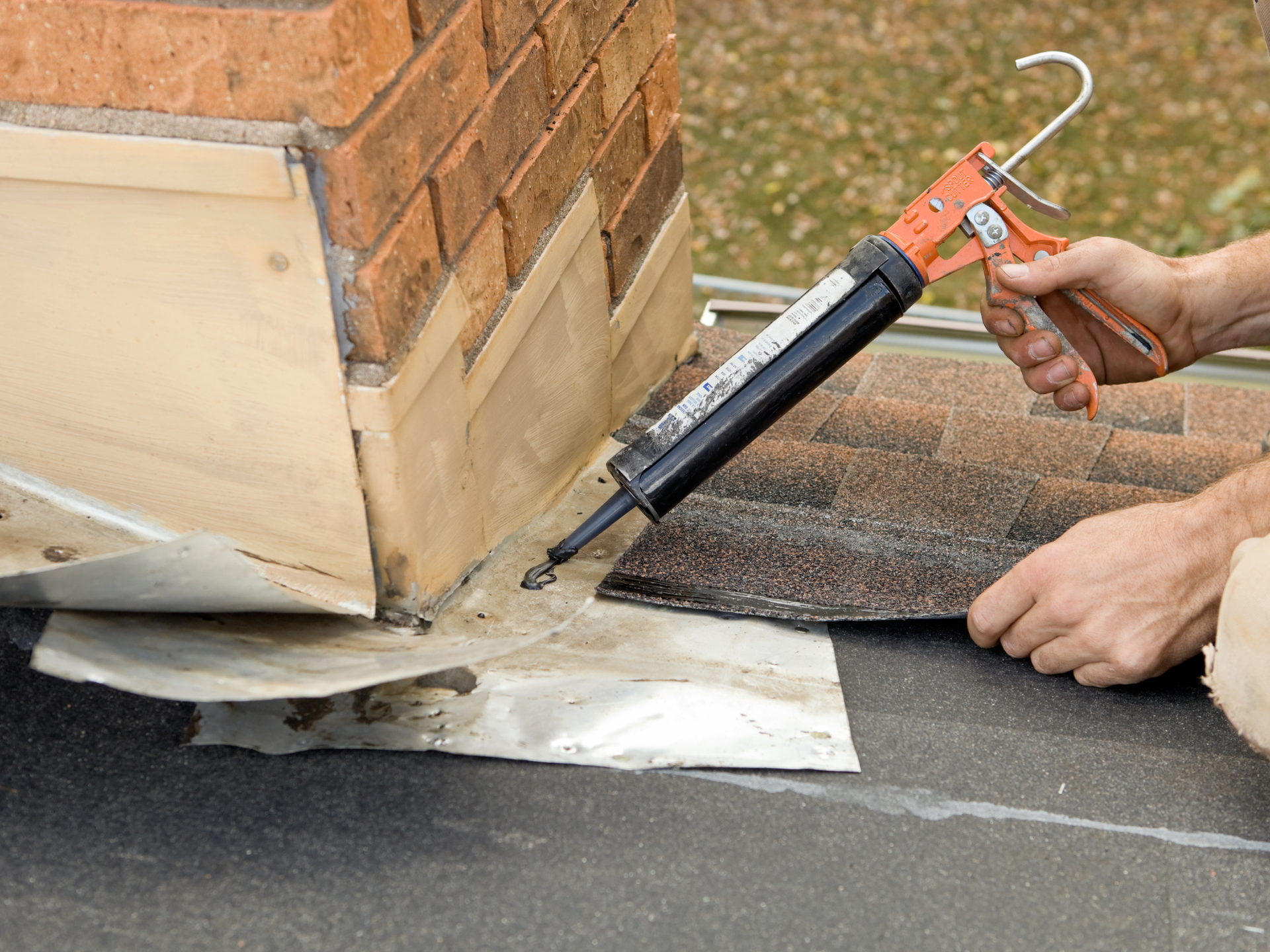
If you’re planning a roof replacement or repair, working with an experienced Houston roofing company will give you confidence to know the right materials are being used and installed correctly.
If you have questions about roof underlayment or your roof’s condition, a professional inspection can help you protect your home and your investment.