Why Temperature Fluctuations Can Be Harder on Roofs Than Extreme Cold
Extremely cold conditions often get the blame for weather-related roof damage. Interestingly, rapid temperature fluctuations can actually cause more damage to roofing systems that the cold. Why is this?
Expansion and Contraction Stress
Roofing materials expand when temperatures rise and contract when temperatures drop. When these changes happen repeatedly over short periods of time, materials are forced to move more frequently than they were designed to. This constant expansion and contraction can cause shingles to crack, fasteners to loosen, and seals around flashing to fail.
Weakening of Roofing Materials
Unlike steady cold, fluctuating temperatures accelerate material fatigue. Asphalt shingles, membranes, and sealants become brittle during cooler temperatures and then soften again when warmth returns. Over time, this cycle weakens materials, making them more vulnerable to wind uplift, water intrusion, and premature aging.
Increased Risk of Leaks
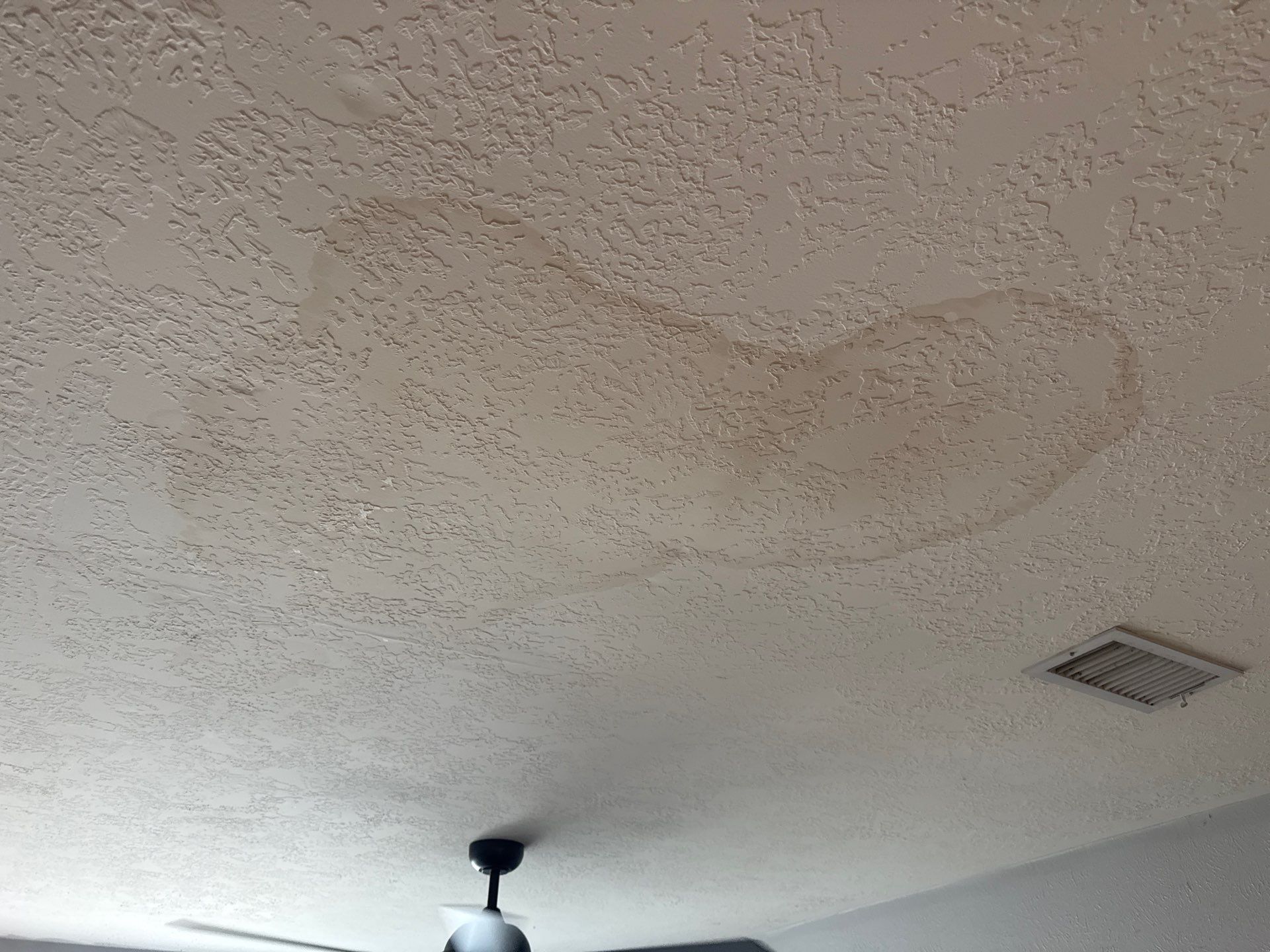
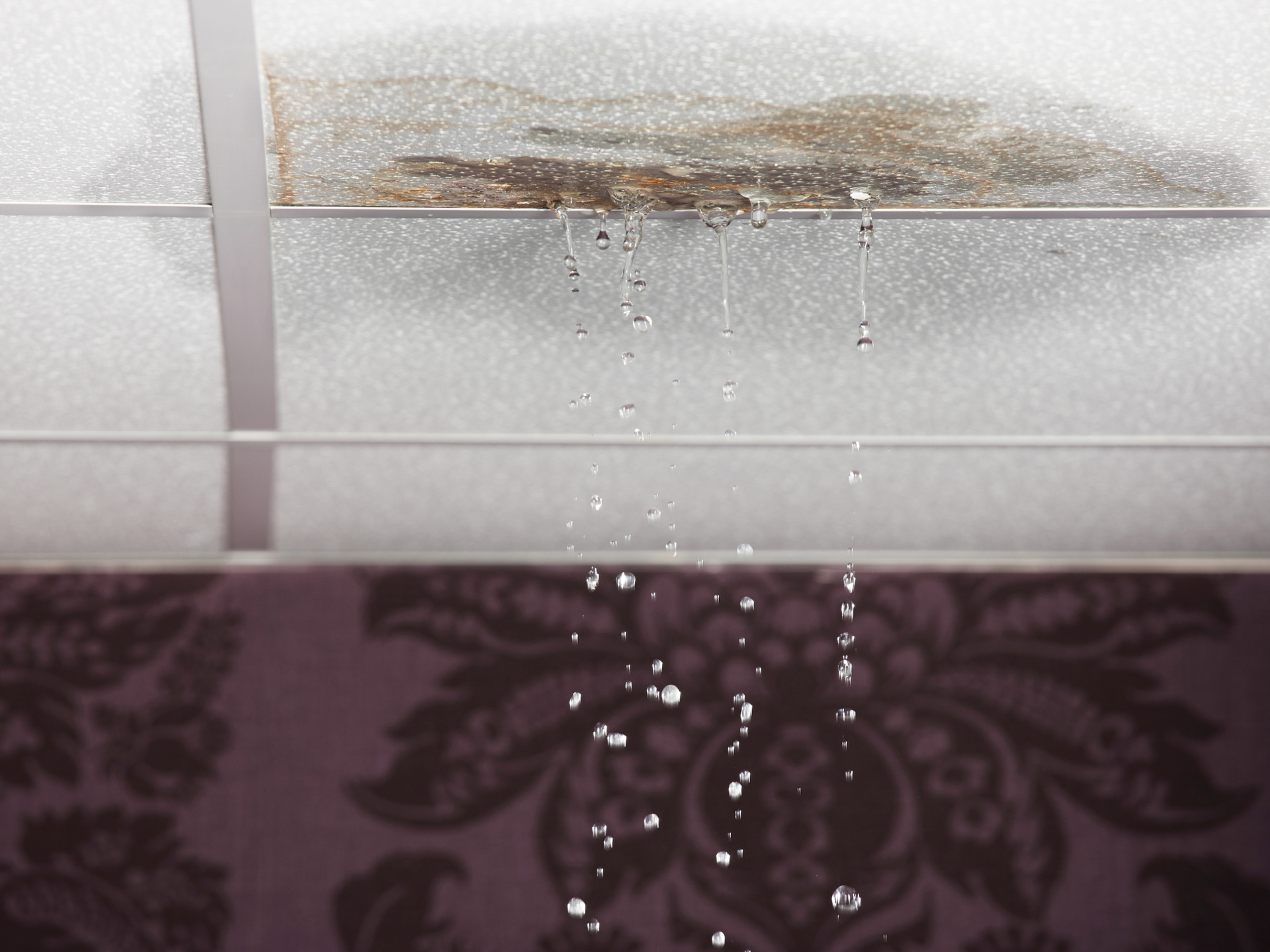
Temperature swings can create small gaps around penetrations such as vents, chimneys, and skylights. These gaps may not cause immediate leaks but can allow moisture to enter during rain events. In Houston, this combination can quickly turn minor issues into major water damage.
Flashing and Sealant Failure
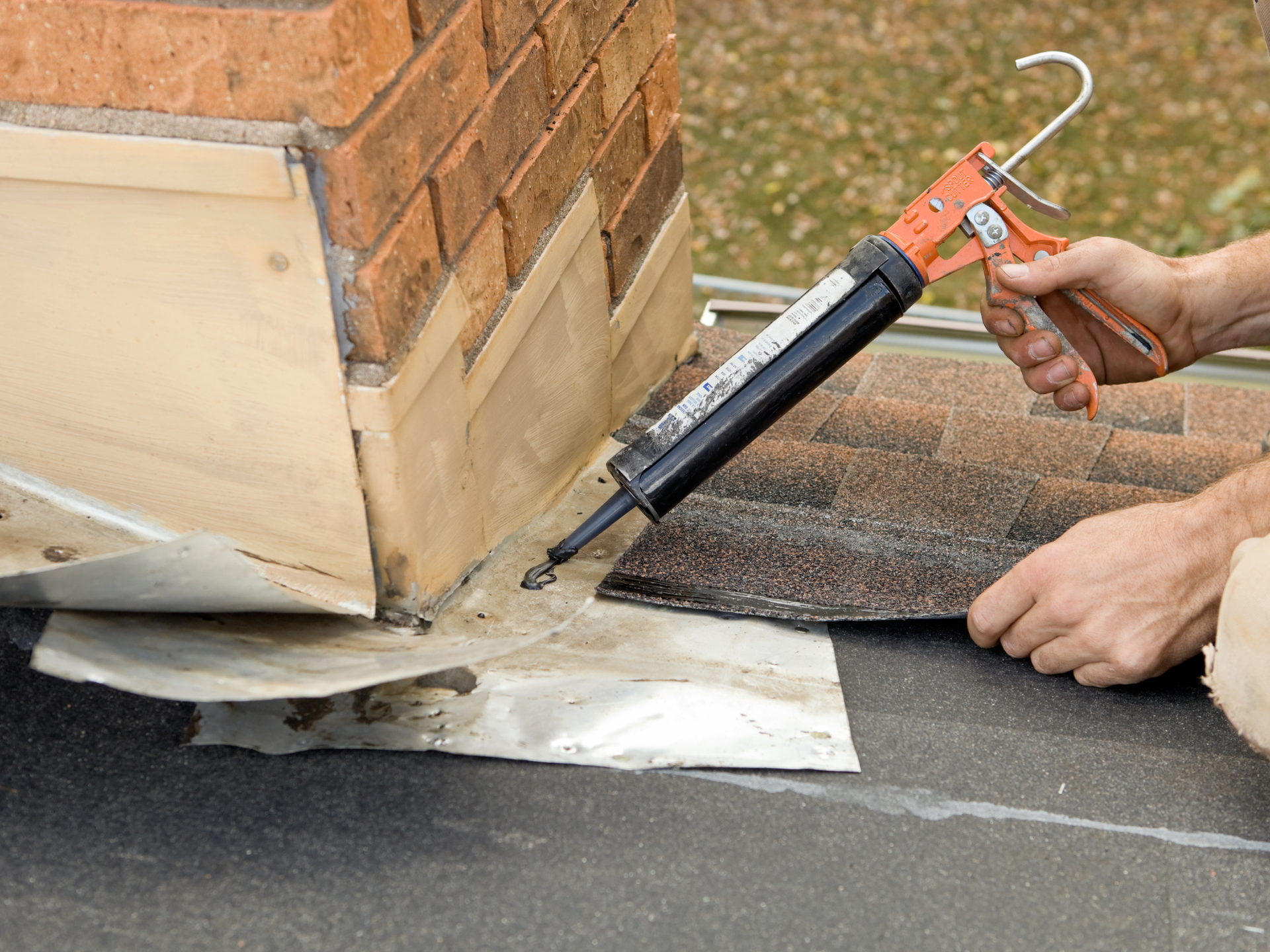
Flashing relies on tight seals to keep water out. Repeated temperature changes can cause metal flashing to shift and sealants to dry out or crack, reducing their effectiveness. This is actually one of the most common sources of roof leaks during the cooler months.
Why This Matters for Houston Property Owners
Houston winters are known for mild days followed by sudden cold fronts. While extreme cold may only occur briefly, temperature swings can happen repeatedly throughout the season. This makes preventative inspections especially important during winter months, even if your roof appears to be in good condition.
Protecting Your Roof
Regular roof inspections help identify early signs of stress caused by temperature fluctuations. Taking time for preventative care can extend the life of your roof and reduce the risk of unexpected damage as the seasons change.