Minor Roof Damage in Houston: Should You Pay Out of Pocket or File a Claim?

October 8, 2025

Minor Roof Damage: Should You Pay Out of Pocket or File a Claim?

Homeownership comes with its share of responsibilities, and one of the biggest is maintaining your roof. Over time, weather, falling branches, or general wear and tear can cause minor roof damage in Houston. When that happens, many homeowners wonder: should I pay out of pocket for repairs, or file an insurance claim? The answer depends on a few variable factors.


Understanding the Extent of the Damage

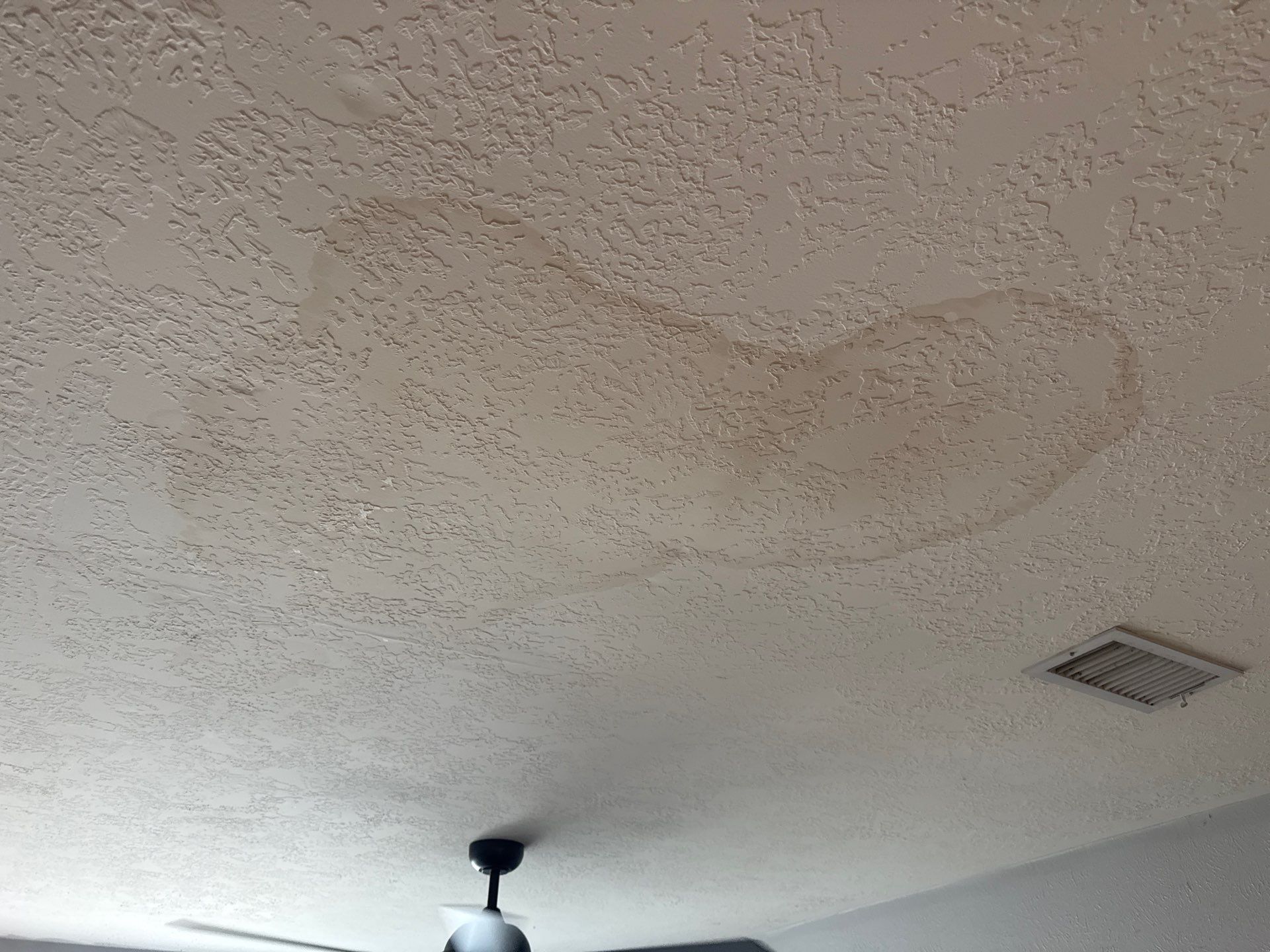
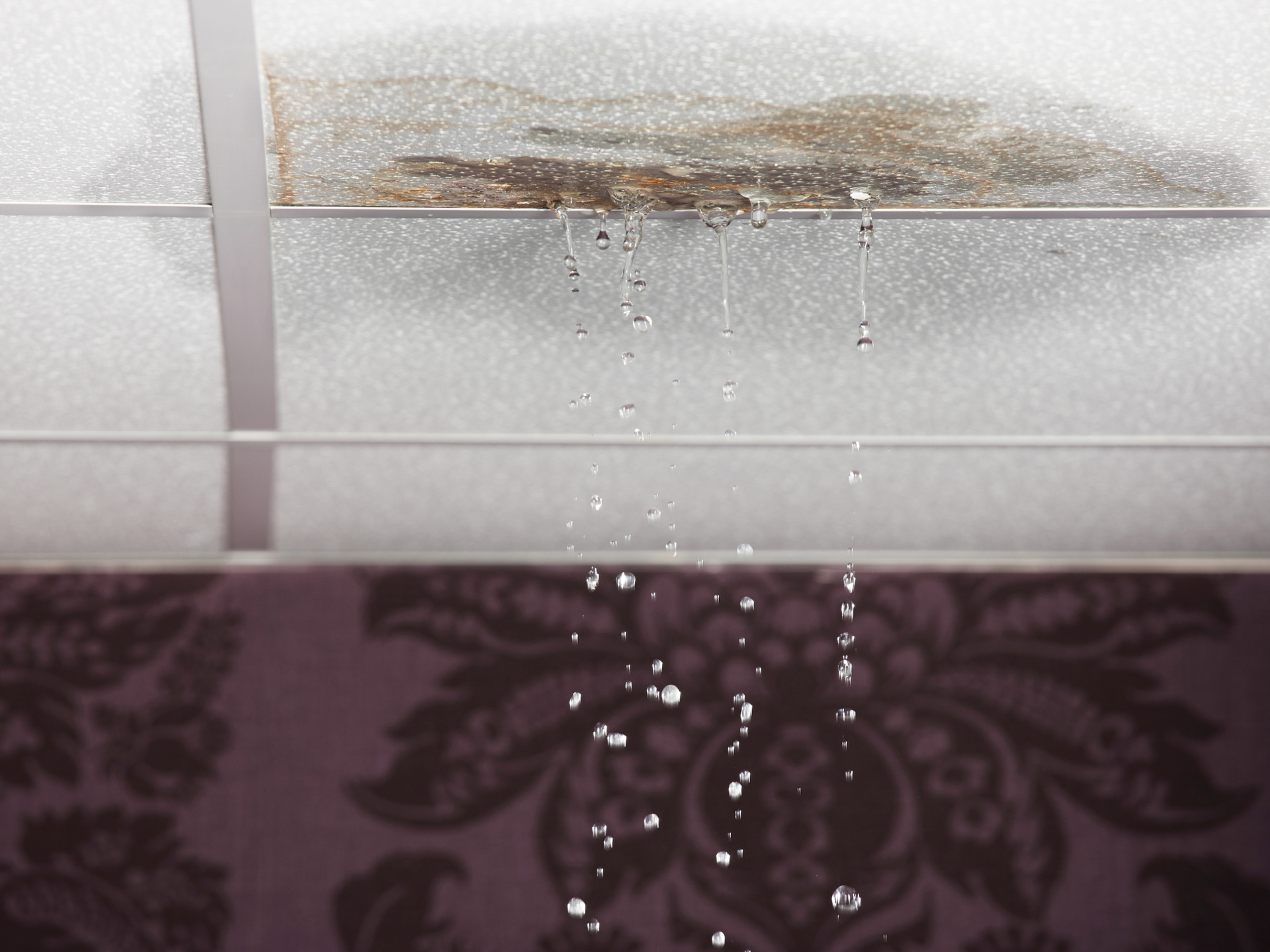
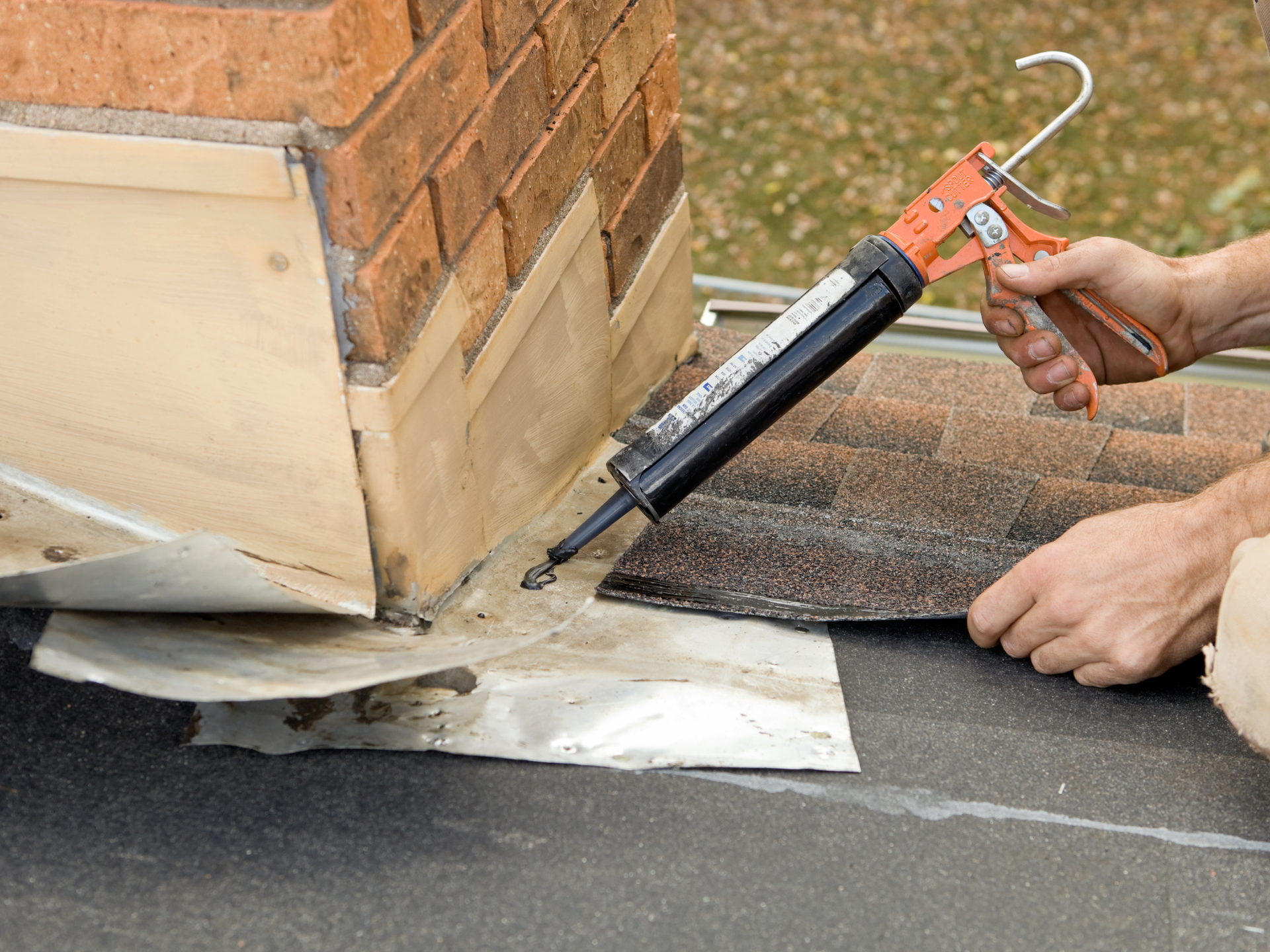
The first step is assessing the scope of the problem. Minor roof damage can range from a few missing shingles to small leaks or flashing issues. These types of repairs may cost a few hundred dollars when handled quickly. However, if left unattended, minor problems can become major issues like water damage, mold, or structural concerns.


If the repair is truly minor, you may save time and avoid complications by paying for the fix out of pocket. On the other hand, if the damage is more widespread or if there’s uncertainty about hidden issues, it may be worth filing a claim to avoid larger expenses down the road.


Considering Your Deductible

Your homeowner’s insurance deductible plays a big role in your decision. For example, if your deductible is $1,000 and the repair costs $600, filing a claim won’t make sense. You would be responsible for the full amount anyway, and the claim could go on your record.


On the other hand, if repairs are estimated at $2,500, filing a claim may help reduce your out-of-pocket expense. Always weigh the cost of repairs against your deductible before making a final decision.


Impact on Insurance Premiums

Another important factor to consider is how a claim might affect your insurance premiums. Even a small claim can sometimes lead to higher rates, especially if you’ve filed multiple claims in recent years. Insurance companies often view frequent claims as a sign of higher risk.


If you can comfortably afford the repair, paying out of pocket may help you avoid premium increases and keep your record clean. Save your claims for significant or unexpected damage, such as hailstorms, falling trees, and/or major leaks.


When Filing a Claim Makes Sense

There are situations where filing a claim is the best choice:

  • The damage is extensive and exceeds your deductible by a significant amount.
  • The cause is covered by your insurance policy, such as storm or hail damage.
  • Future damage risk is high if the problem isn’t fully addressed.


In these cases, filing a claim may be best so you can be rest assured that the repair is done correctly and you aren’t left shouldering a heavy financial burden.


All and all, when faced with minor roof damage, the decision to pay out of pocket or file a claim comes down to balancing costs, deductibles, and long-term consequences. For small, affordable repairs, paying directly often makes sense. For more extensive or costly issues, your insurance can provide valuable protection and peace of mind.


Ultimately, the best approach is to get a professional inspection, request repair estimates, and review your insurance policy details. With the right information, you can confidently make your decision. 
January 14, 2026
Flat and sloped roofing systems face different challenges. Learn more on how repair methods vary and what property owners should consider.
January 5, 2026
Temperature swings can cause roof damage in Houston through expansion, contraction, and material fatigue.
December 29, 2025
Some of the best roofers in Houston explain how proper materials, installation, ventilation, and maintenance help roofs last 30+ years in Houston’s climate.
December 23, 2025
Houston roofers share why delaying roof replacement can put your home at risk and increase long-term costs.
Recently completed roof repair in Houston.
December 15, 2025
Some of the most common causes of premature roof failure and how Houston homeowners can prevent expensive repairs with proper installation and maintenance.
December 8, 2025
Start the year strong with this New Year home maintenance checklist. Get tips from Houston roofing professionals to protect your roof, gutters, HVAC, and home.
December 4, 2025
Why December is one of the smartest months to schedule a roof inspection and how a trusted Houston roofing company can catch weather-related damage early and prepare your home for the winter.
November 28, 2025
Hanging Christmas lights is one of the best ways to bring festive cheer to your home, but many homeowners hesitate because they fear damaging their roof. Drilling, stapling, or using the wrong hardware can create holes, loosen shingles, or even void your roof’s warranty. The good news? You can create a dazzling holiday display without causing a single scratch to your roof . Here’s how to hang Christmas lights safely, efficiently, and damage-free. 1. Skip the Nails and Staples—Use the Right Clips Instead The easiest way to protect your roof is to never puncture it . Nails, screws, and staples may seem quick, but they pierce shingles and underlayment, exposing your roof to leaks and long-term damage. Instead, opt for non-invasive light clips . These inexpensive plastic clips attach securely to gutters, shingles, or eaves without creating holes. Gutter clips : Snap onto the lip of your gutter and hold light strings firmly. Shingle tabs or all-in-one clips : Tuck under shingles without lifting or prying. Clips keep lights straight, secure, and easy to remove once the season ends. 2. Plan Your Layout Before You Start Before climbing a ladder, plug in your lights and check for burnt bulbs or broken sections. Measure your roofline and outline where each strand will go. Planning ahead prevents unnecessary repositioning—which also reduces the urge to “just staple it.” A good rule of thumb: Allow a little slack so your lights don’t pull or tug against your shingles or gutters. 3. Use a Sturdy, Safe Ladder and Work Slowly Most holiday light mishaps happen because of unsafe ladder use, not roof damage. Choose a ladder that extends above your roofline and place it on solid, level ground. Never lean too far to one side; move the ladder instead. Slow, careful installation means you’re much less likely to tug on shingles or gutters accidentally. 4. Choose the Right Lights for Outdoor Use Always select outdoor-rated Christmas lights labeled for exterior use. Indoor lights aren’t designed to handle moisture or temperature changes and are more likely to malfunction. Pair them with weather-resistant extension cords and timers to keep your setup safe and reliable throughout the season. 5. Avoid Walking on the Roof When Possible Walking on your roof isn’t just risky—it can also crush shingles, dislodge granules, and shorten your roof’s lifespan. Set up your light display from the ladder whenever possible. If you must walk on the roof, step lightly, wear soft-soled shoes, and avoid stepping on brittle edges or curled shingles. 6. Remove Lights Carefully After the Holidays When the season wraps up, don’t yank lights down. Pulling them can dislodge shingles or bend gutters. Instead, remove each clip individually and store everything neatly for easy setup next year.
November 19, 2025
Learn how to spot storm damage on a roof and distinguish it from normal wear. Identify common signs, protect your home, and avoid insurance claim issues.
November 10, 2025
Get ready for your new roof with this step-by-step homeowner’s guide. Learn how to prepare for a roof replacement in Houston and avoid common delays or damage.